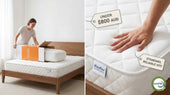
Traditional innerspring mattresses have dominated bedrooms since the 19th century, yet modern sleepers are increasingly pivoting toward advanced multi-layer designs. While both styles rely on steel coils for their foundation, the structural difference in their upper layers creates a completely different rest experience.
Choosing the wrong surface often leads to persistent back pain or disrupted sleep from a partner's movements. We will compare the Hybrid Mattress vs Innerspring Mattress to help you identify which construction best aligns with your physical needs and budget.
- Hybrid vs Innerspring Mattress Construction and Core Basics
- Support Dynamics and Pressure Relief Performance
- Managing Heat and Partner Disturbance During Sleep
- Matching Mattress Types to Sleep Positions and Budget
Hybrid vs Innerspring Mattress Construction and Core Basics
Modern hybrids combine pocketed coils with thick foam stacks for pressure relief, while traditional innersprings rely on connected Bonnell coils for maximum airflow. This structural divergence dictates long-term durability and spinal support.
The mechanical shift starts with the spring unit itself, moving from rigid networks to independent movement.
The evolution from traditional springs to pocketed coils
Bonnell units use interconnected wires creating a "trampoline" effect. This rigid network often causes noise and friction. In contrast, modern designs use individually wrapped springs. These move independently, significantly reducing the squeaks common in older beds.
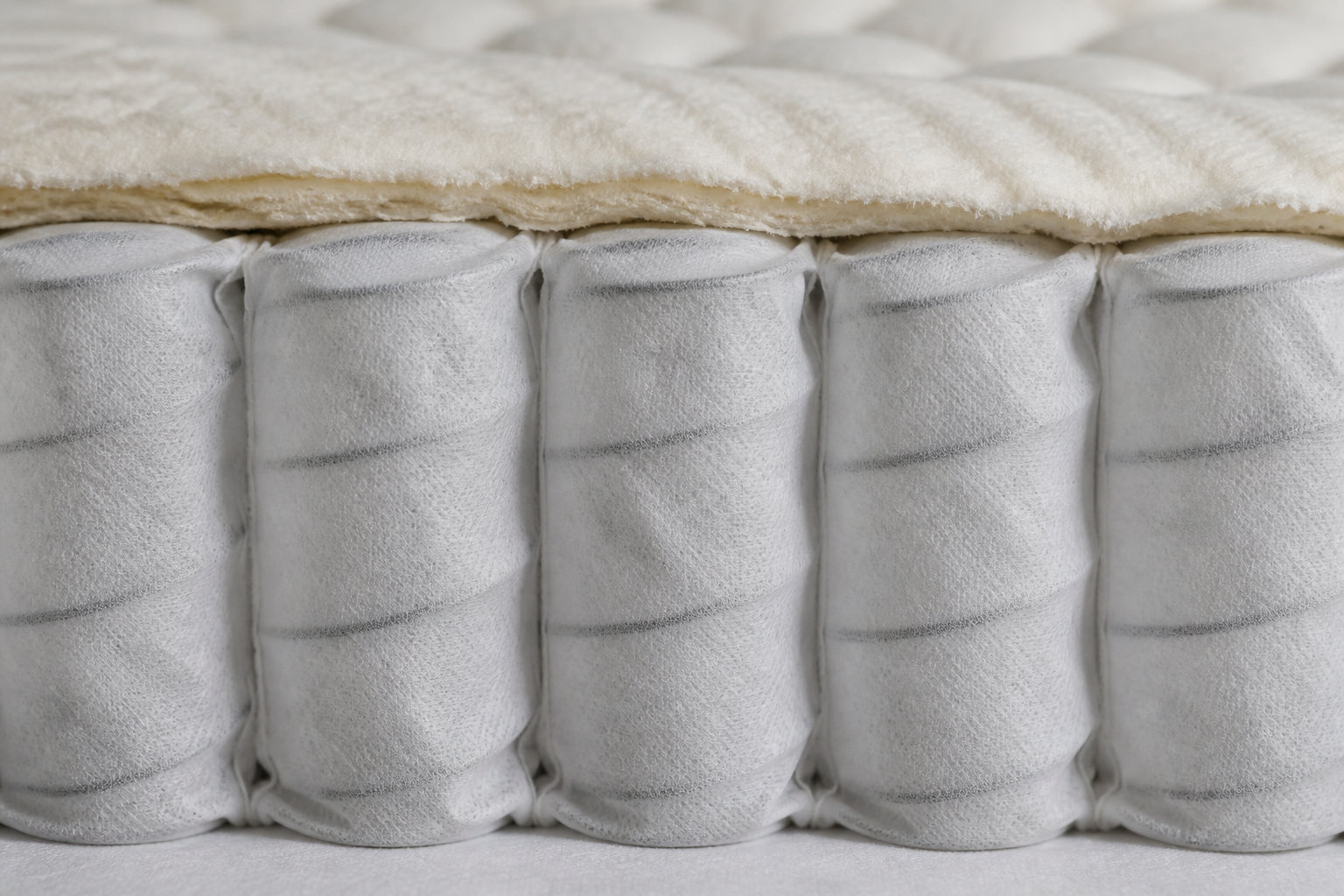
Independent movement allows for better contouring against the body. This prevents the sagging typical of old-school wire grids. Using pocketed coils ensures the mattress adapts to your shape rather than resisting it.
Pay attention to the wire thickness. A lower gauge indicates a thicker, firmer wire. These specific metrics directly influence the expected mattress lifespan, often reaching over 10 years for quality builds.
Layering logic: memory foam vs latex comfort stacks
Hybrids feature several inches of high-density foam. Traditional innersprings rely on thin fiber padding. This creates a distinct pressure-relieving surface that actively cradles joints instead of pushing back.
A transition layer sits between the foam and steel. It prevents you from feeling the hard metal below. This component is vital for maintaining structural integrity and long-term comfort.
Gel-infused foam helps with cooling, whereas natural latex adds immediate bounce. These materials drastically change the surface responsiveness. You either get a slow-sink feeling or a quick, springy reaction when moving.
Support Dynamics and Pressure Relief Performance
Beyond the internal springs, the way these beds handle body weight determines how well you wake up without aches.
Spinal alignment and joint pain relief
Hybrid layers contour effectively to the lower back. This keeps the spine in a neutral position throughout the night. It is particularly effective for joint pain relief for many sleepers.
Contrast the "push-back" feel of innersprings with the hybrid "cradle." Innersprings offer more resistance against the body. Hybrids focus on sinking slightly to alleviate pressure points in sensitive areas.
I recommend specific coil tensions for shoulder or hip issues. Softer coils in these zones help side sleepers significantly. Firm support remains necessary for spinal alignment and overall back health.
Edge support and mattress longevity factors
Strong perimeters are vital for a stable sleep surface. Reinforced edges prevent the feeling of rolling off the bed. This is vital for those who sit on the edge. Mention edge support as a key durability metric.
Material density directly prevents annoying body indentations. High-density foams resist sagging over time quite well. This ensures the bed lasts five to ten years with regular use.
Coil steel quality impacts the overall base shape. Better steel maintains the structural integrity longer. This protects the mattress foundation for years.
Managing Heat and Partner Disturbance During Sleep
Support is only half the battle; staying cool and undisturbed by a partner is where the real sleep quality lies.Breathability vs heat retention in foam layers
Hybrids do not always run hot. Modern foams use open-cell technology to move air. This is a major improvement over older memory foam.
Copper or gel infusions mitigate heat. These materials pull warmth away from the body. It helps maintain a neutral temperature throughout the night.
Compare the hollow spring base to solid foam cores. The air space between coils provides natural airflow. This makes innersprings and hybrids cooler than all-foam beds.
Motion isolation for light sleepers and couples
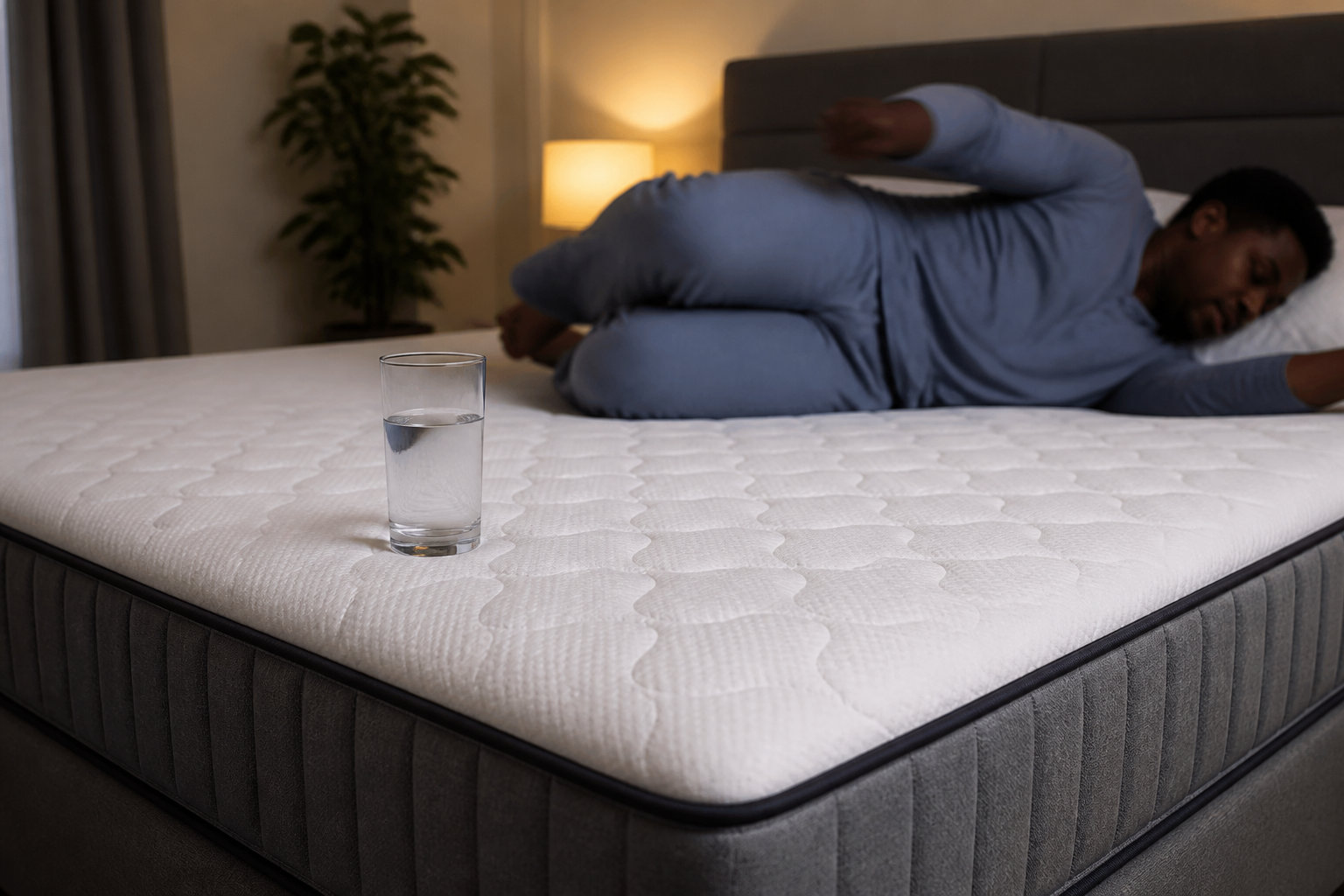
Pocketed coils stop movement transfer. Since coils aren't linked, one person's movement stays localized. This is perfect for light sleepers.
Linked wire networks in innersprings cause disturbance. Every toss and turn vibrates across the whole surface. This often leads to partner disturbance.
Thick foam layers absorb energy before it reaches the springs. This ensures motion isolation for different weight ranges. A Hybrid Mattress vs Innerspring Mattress: What’s the Difference? often comes down to this silence.
- Benefits of pocketed coils for couples.
- Impact of foam thickness on vibration dampening.
- Why interconnected springs fail at motion isolation.
Matching Mattress Types to Sleep Positions and Budget
Choosing between these two technologies eventually comes down to your preferred sleeping posture and your long-term financial plan.
Choosing by sleep position and body weight
I recommend firm innersprings for stomach sleepers. They need extra support in the midsection. This prevents the back from arching painfully during deep sleep.
Side sleepers should prioritize hybrids. The foam layers provide better shoulder and hip cushioning. This is essential for pressure relief.
Heavier sleepers need high-gauge coils. Dense foam stacks prevent bottoming out.
Long-term value and warranty considerations
Budget innersprings are cheaper initially. However, premium hybrids offer better long-term value due to their durability. Consider the cost-per-year rather than just the sticker price.
Spills or stains can void a mattress warranty. Use a protector to stay protected. It is a simple move to save your investment.
Use a compatible bed base. This prevents premature wear and keeps support layers intact.
| Feature | Traditional Innerspring | Modern Hybrid | Best For |
|---|---|---|---|
| Motion Isolation | Low | Excellent | Couples |
| Cooling | Excellent | Good | Hot Sleepers |
| Pressure Relief | Low | High | Side Sleepers |
| Durability | Good | Excellent | Long-term Use |
| Price Range | Budget | Premium | Value Seekers |
Choosing between a hybrid and an innerspring mattress depends on your priority for either plush pressure relief or traditional cooling bounce. Selecting the right support system now ensures long-term spinal health and undisturbed rest. Invest in your sleep quality today to wake up refreshed and pain-free every morning.
FAQ
What is the main difference between a hybrid and an innerspring mattress?
The primary distinction lies in the top comfort layers. While both often share a supportive base of steel coils, a traditional innerspring mattress features thin padding for a firm, bouncy feel. In contrast, a hybrid mattress integrates thick layers of memory foam, latex, or gel to provide superior pressure relief and a more plush experience.
Is a hybrid mattress better than a traditional innerspring for back pain?
Generally, yes. Hybrids are specifically designed to offer spinal alignment by contouring to the body's natural curves through their foam or latex stacks. While innersprings provide a stable, firm surface, they often lack the targeted pressure point relief necessary to alleviate joint pain and lower back discomfort.
Do hybrid mattresses sleep hotter than innerspring models?
Traditional innersprings typically offer the best airflow due to their open coil structure. However, modern hybrids mitigate heat retention by using open-cell technology, gel infusions, or breathable natural latex. Both types are significantly cooler than all-foam beds because the spring base allows for natural airflow throughout the night.
Which mattress type is more effective at reducing motion transfer for couples?
Hybrid mattresses are superior for couples because they utilize pocketed coils that move independently, combined with foam layers that absorb energy. Traditional innersprings with interconnected Bonnell coils often create a "trampoline effect," meaning you are more likely to feel your partner's every toss and turn.
How does the lifespan of a hybrid compare to an innerspring mattress?
While budget innersprings are more affordable upfront, high-quality hybrids often provide better long-term value. The use of high-density foams and reinforced pocketed coils helps the mattress resist sagging. To maximize mattress longevity, always use a compatible foundation and a protector to keep the warranty intact.
Are pocketed coils better than traditional Bonnell springs?
Pocketed coils, or Marshall springs, offer a more luxurious and customized support system because each spring reacts individually to weight. Bonnell springs are interconnected and provide a very firm, durable, and cost-effective surface, but they lack the motion isolation and contouring capabilities of modern pocketed systems.