Snoring is one of the most common sleep complaints, and it is natural to wonder whether a new mattress could help. The honest answer is nuanced, and it is important to be clear about what a mattress can and cannot do.
This guide explains the realistic role of a mattress in snoring, why sleep apnoea needs medical care, and how a supportive mattress can make comfortable side sleeping easier.
Important: A mattress is not a treatment for sleep apnoea. Sleep apnoea is a medical condition that needs proper diagnosis, usually through a sleep study, and treatment guided by a doctor. If you or your partner notice loud snoring with gasping, choking or pauses in breathing, or you feel exhausted despite a full night's sleep, please see your GP. This article is general information only, not medical advice.
First, the Honest Truth: What a Mattress Can and Can't Do
A mattress cannot cure snoring and cannot treat sleep apnoea. What it can do is influence your sleep position and comfort, which for some people plays a part in positional snoring.
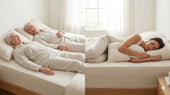
If you sleep on your back, your tongue and soft tissues can fall back and narrow the airway, which often makes snoring worse. Sleeping on your side frequently reduces this for positional snorers. A mattress that makes side sleeping genuinely comfortable can therefore help you stay off your back, which is the realistic, modest benefit on offer.
When Snoring Needs a Doctor, Not a New Mattress
Snoring is sometimes harmless, but it can also be a sign of obstructive sleep apnoea, which has real health consequences if untreated. See your GP if you notice any of these.
- Loud snoring with gasping, choking or pauses in breathing.
- Waking unrefreshed or feeling very sleepy during the day.
- Morning headaches or difficulty concentrating.
- A partner reporting that you stop breathing in your sleep.
Diagnosis usually involves a sleep study, and effective treatments are medical, such as CPAP therapy, not a mattress.
How Sleep Position Affects Snoring
Position is one of the few levers an individual can adjust at home.
- Back sleeping tends to worsen snoring for many people.
- Side sleeping often reduces positional snoring.
- Comfort is what makes a side-sleeping habit stick, which is where the mattress comes in.
Our guide on sleeping positions decoded explains the trade-offs.
How a Supportive Mattress Encourages Comfortable Side Sleeping
If side sleeping is uncomfortable, you will roll onto your back during the night without realising. A mattress that relieves pressure at the shoulder and hip makes side sleeping comfortable enough to maintain.
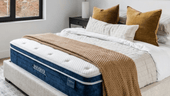
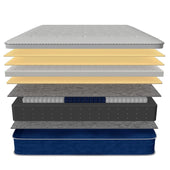
A hybrid with a contouring comfort layer and zoned support cushions those pressure points while keeping the spine aligned, so side sleeping feels natural rather than something you have to force. Our guides on shoulder pain and hip pain cover comfortable side sleeping in depth.
What Won't Fix It (Managing Expectations)
It is worth being clear so you do not waste money on the wrong fix. A mattress will not stop snoring caused by sleep apnoea, nasal congestion, alcohol, or anatomy. It may help a positional snorer sleep more comfortably on their side, and that is the limit of its role. Treat the underlying cause with your doctor's help.
Talk to Your GP: Australian Resources
If snoring is disrupting your sleep or your partner's, or you suspect sleep apnoea, speak to your GP, who can arrange assessment and refer you for a sleep study if needed. Reputable bodies such as the Sleep Health Foundation provide general information, but they are not a substitute for personal medical advice.
Frequently Asked Questions
Does a mattress help with snoring?
It can play a small part for positional snorers. A comfortable, supportive mattress makes side sleeping easier, and side sleeping often reduces snoring that is worse on the back. It will not cure snoring or treat an underlying cause.
Can a mattress help sleep apnoea?
No. A mattress does not treat sleep apnoea, which is a medical condition requiring diagnosis and treatment such as CPAP. If you suspect sleep apnoea, see your GP. A mattress only affects comfort and sleep position.
Is sleeping on your side better for snoring?
For many people, yes. Sleeping on your side can reduce positional snoring, because back sleeping lets the tongue and soft tissues narrow the airway. A mattress that makes side sleeping comfortable can help you maintain that position.
What is the best sleeping position for sleep apnoea?
Side sleeping is often suggested for positional snoring and mild positional symptoms, but sleep apnoea itself needs medical management. Always follow the advice of your doctor, who can recommend the right treatment for your situation.