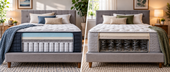
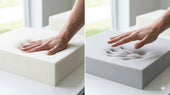
- Back pain in your 20s and 30s often traces back to sitting for long periods, poor posture, or carrying heavy bags.
- A medium-firm mattress usually offers the best balance of support and cushioning for younger adults with back issues.
- Look for individually wrapped coils or a high-density foam core, since these prevent the sagging that worsens pain over time.
- Latex and hybrid mattresses both work well, since they support the spine while still relieving pressure.
- Take advantage of in-home trial periods so you can test a mattress through several full nights before committing.
Back pain is a prevalent issue that can affect individuals of all ages, including those in their 20s and 30s.
Whether you're a young professional, a busy student, or someone navigating the challenges of early adulthood, back pain can significantly impact your daily life.
Fortunately, one effective way to address this problem is by investing in the right mattress.
We'll explore the causes of back pain in your 20s and 30s and how choosing the right mattress can make a world of difference in alleviating discomfort and promoting better spinal health.
Back pain in your 20s and 30s can be attributed to a variety of factors, including lifestyle habits, posture, and even genetics.
Young adults in their 20s may experience back pain due to activities such as sitting for extended periods, carrying heavy backpacks, or engaging in strenuous physical activities without proper form.
As we transition into our 30s, the cumulative effects of these factors can become more pronounced, leading to increased susceptibility to back pain.
Choosing the right mattress is crucial for individuals experiencing back pain in their 20s and 30s.
A supportive and comfortable mattress can help relieve pressure points, promote proper spinal alignment, and improve overall sleep quality.
When selecting a mattress to alleviate back pain, it's essential to consider the level of firmness.
While some people may find relief with a firmer mattress, others may prefer a medium-firm option that provides a balance of support and cushioning.
Ultimately, the right level of firmness will depend on your individual preferences and sleeping habits.
The materials used in a mattress can also play a significant role in alleviating back pain.
Latex mattresses offer a responsive feel and excellent support, while hybrid mattresses combine the benefits of different materials for a customized sleeping experience.
Regardless of the type of mattress you choose, proper support is essential for relieving back pain.
Look for mattresses that feature robust support systems, such as individually wrapped coils or high-density foam cores.
These support systems help distribute your body weight evenly and prevent sagging, which can exacerbate back pain over time.
How to choose a good mattress for people suffering from back pain?
Take Your Time: Don't rush the decision. Take the time to try out different mattresses and find one that feels comfortable and supportive.
Consider Your Sleeping Position: Your preferred sleeping position can influence the type of mattress that's best for you.
For example, side sleepers and back sleepers may prefer a firmer surface that provides ample support.
Read Reviews: Take advantage of online reviews and customer feedback to learn more about different mattress brands and models.
Look for reviews from individuals who have similar back pain issues to get a better idea of how a particular mattress might work for you.
Ask About Trial Periods: Many mattress companies offer trial periods that allow you to test out a mattress in your own home before committing to a purchase.
Take advantage of these trial periods to ensure that the mattress is the right fit for you.
Back pain in your 30s can be debilitating, but it doesn't have to dictate your quality of life.
By investing in the right mattress, you can alleviate discomfort, improve spinal health, and enjoy a more restful night's sleep.
Consider your unique needs and preferences when choosing a mattress, and don't hesitate to seek advice from healthcare professionals or mattress experts if needed.
With the right mattress, you can wake up feeling refreshed and ready to take on the day, free from the constraints of back pain.
Is back pain in your 20s a sign of something more serious?
Most back pain in your 20s is muscular or postural, but persistent pain that wakes you at night, radiates down a leg, or comes with numbness needs medical assessment. Don't assume you're too young for serious back issues; see a GP if symptoms last over 6 weeks.
Does working from home cause more back pain than office work?
Often yes, since most home setups lack proper desk height, chair support, and screen alignment. Couch and bed working are particularly bad. A basic ergonomic setup (proper chair, screen at eye level, feet flat on floor) prevents far more back pain than any mattress can fix.
How much does sitting all day at work affect my mattress needs?
Significantly. Sitting for 8 plus hours tightens hip flexors and weakens core muscles, which makes the spine more vulnerable to overnight misalignment. A medium-firm mattress and side sleeping with a pillow between the knees both help compensate.
Can lifting weights at the gym cause back issues that show up at night?
Yes. Heavy deadlifts, squats, or overhead pressing with poor form can leave the lower back inflamed and painful overnight. Make sure your form is correct, warm up properly, and consider seeing a physiotherapist to assess movement patterns if pain persists.
Should I switch sleeping positions to deal with back pain?
Most back pain sufferers do best on their side with a pillow between the knees, or on their back with a pillow under the knees. Avoid stomach sleeping, which forces the lumbar spine into an arch. Changing positions takes 2 to 3 weeks to feel natural.
Is yoga or pilates better for back pain in your 20s and 30s?
Both help, but pilates tends to be more effective for back pain because it focuses on core stability and spinal alignment. Yoga adds flexibility benefits that pilates does not. Many people benefit from doing both, with pilates as the primary practice.
Can stress cause back pain even with a good mattress?
Yes. Chronic stress tightens muscles around the spine and can cause real physical pain, regardless of how good your mattress is. Stress-related back pain often shows up between the shoulder blades or in the lower back. Addressing the stress often resolves the pain.
How does carrying a young child affect back pain?
Repeatedly lifting a 10 to 15 kg child, especially with poor technique, strains the lower back substantially. New parents often develop back pain in the first year. Bend at the knees, hold the child close to your body, and switch hips when carrying. Consider a quality baby carrier to distribute weight.
Should young adults consider an orthopedic mattress, or is that overkill?
An orthopedic mattress isn't necessary for most young adults; a quality medium-firm hybrid does the same job. Orthopedic models are worth considering if you already have chronic back issues, recovering from surgery, or have a profession (nursing, construction) that puts heavy demands on your spine.
How does alcohol affect back pain through the night?
Alcohol relaxes muscles initially but disrupts deep sleep stages where the body actually repairs muscle tissue. People who drink regularly often wake more stiff and sore than they realise. Cutting back to 2 drinks max in the evening can noticeably improve morning back comfort.