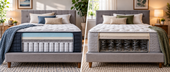
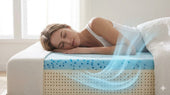
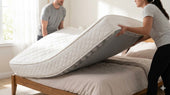
- A mattress protector extends mattress lifespan by blocking sweat, spills, dust mites, and allergens from the core.
- Modern waterproof protectors use TPU or fabric layers that are silent, unlike the noisy plastic sheets of older designs.
- Look for breathable cotton terry or bamboo materials so the protector regulates temperature instead of trapping heat.
- For households with kids or pets, durability and machine washability are essential.
- Allergy sufferers benefit most, since hypoallergenic protectors create a barrier that can be removed and washed regularly.
When it comes to bedding essentials, we often look for the most luxurious bed sheets, most comfortable mattress and a good pillow.
However, mattress protectors are often overlooked.
This simple addition can drastically extend the life of your mattress, improve your sleeping hygiene, and offer protection against spills, stains, allergens, and dust mites.
Among the most popular options are waterproof mattress protectors, but there’s often a concern about comfort and noise, particularly protectors that sound like plastic.
Thankfully, today’s innovations in mattress protectors address these issues, offering high-quality protection without sacrificing comfort.
Why a Mattress Protector is Necessary
-
Prolongs Mattress Lifespan
A mattress is a significant investment, it's essential to protect that investment. Mattress protectors create a barrier between your body and the mattress, reducing wear and tear over time. With a high-quality mattress protector, you can prevent common issues like stains, moisture damage, and general degradation, ensuring your mattress remains in excellent condition for longer.
-
Protection Against Spills and Accidents
Accidental spills are one of the main reasons people invest in mattress protectors. For households with children or pets, the occasional spill is inevitable, and without a mattress protector, liquids can easily seep into the mattress, leading to potential mold growth or permanent stains. A waterproof mattress protector shields your mattress from such mishaps.
Waterproof mattress protectors act as a safeguard against this by preventing moisture from penetrating into the mattress core.
-
Prevents Allergens and Dust Mites
Dust mites, allergens, and bacteria thrive in the warm, moist environment of a mattress. In drier regions of Western Australia, dust can also accumulate quickly, increasing the presence of these unwelcome intruders. A mattress protector creates an extra layer of defense, reducing exposure to dust mites and other allergens. This is especially important for people with allergies or asthma, as the mattress protector acts as a barrier that can be easily removed and washed, unlike the mattress itself.
-
Hygiene and Cleanliness
Over time, sweat, dead skin cells, and other bodily fluids accumulate in a mattress, creating an unhygienic sleeping environment. It is often more important when you're renting and need can't afford a new mattress. A mattress protector can act as a layer of safety for you, keeping the mattress cleaner and fresher for longer.
-
Temperature Regulation
Mattress protectors, particularly those made from breathable materials, can help regulate body temperature. Some of the newer waterproof mattress protectors are designed to wick away moisture and promote air circulation.

The Need for Waterproof Mattress Protectors
For people in WA where rental is now become scarce and people are renting more often, the need for a mattress protector should be high on your list of things to buy.
However, not all waterproof protectors are created equal, and one of the main complaints is that some protectors make a crinkling noise reminiscent of sleeping on plastic.
This not only disturbs sleep but also creates an uncomfortable sleeping environment.
So, what should you look for when selecting a waterproof mattress protector?
-
Quiet, Non-Crinkle Designs
Traditional waterproof mattress protectors were often made with noisy plastic liners that created a crinkling sound whenever you shifted in bed. However, modern mattress protectors are now designed to be both waterproof and silent. They use innovative materials such as TPU (thermoplastic polyurethane), which is a breathable yet waterproof layer that doesn’t make noise.
When shopping for a mattress protector, it's important to read reviews and choose a model that specifically mentions being noise-free. This ensures you get the waterproof protection you need without sacrificing sleep quality.
-
Breathable and Comfortable Materials
Waterproof doesn’t have to mean uncomfortable. Mattress protectors made from materials like cotton terry or bamboo fibers are soft and comfortable, while still providing the waterproof barrier you need. These materials are highly absorbent and can wick away sweat and moisture, making them ideal for WA's warmer climate.
Additionally, breathable mattress protectors help regulate body temperature. They allow air to circulate, ensuring you stay cool during the night, even with the waterproof layer beneath you.
-
Durability
A good-quality waterproof mattress protector is designed to last through multiple washes without losing its effectiveness. In areas with a high amount of dust or potential moisture exposure, being able to regularly wash your mattress protector without compromising its waterproof properties is vital. Look for protectors that maintain their waterproofing even after several washes and have durable stitching to ensure longevity.
Benefits of a Mattress Protector That Doesn’t Sound Like Plastic
-
Peaceful Sleep
A noisy mattress protector can disrupt your sleep, leading to poor rest and the discomfort of hearing every movement. Waterproof protectors that are designed without the plastic crinkle not only improve sleep quality but also enhance your overall comfort. A restful night’s sleep is essential for health and well-being, and the right mattress protector helps ensure you won’t be disturbed.
-
Preserving Mattress Quality Without Sacrificing Comfort
People often avoid waterproof protectors due to the misconception that they will feel uncomfortable or too warm. However, with advancements in fabric technology, you can now find protectors that feel just as soft and breathable as regular cotton sheets while still offering full protection against spills and moisture. This makes it possible to preserve the quality of your mattress without feeling like you’re sacrificing your comfort.
-
Allergen-Free Sleep
Quiet, non-crinkly waterproof protectors often come with hypoallergenic properties. Since they reduce the buildup of allergens, such as dust mites and pet dander, they’re great for allergy sufferers in WA, especially during the drier months when dust and pollen levels tend to be higher. This provides a healthier sleeping environment without the noisy discomfort of plastic-based protectors.
Selecting the Right Waterproof Mattress Protector for WA
To find the right waterproof mattress protector, it’s essential to consider your personal needs and preferences. For example:
-
For Households with Children or Pets: If you live in a home with young children or pets, look for a durable, high-quality waterproof protector that can withstand frequent spills and accidents. Ideally, choose a model that is machine-washable for easy care.
-
For Allergy Sufferers: Choose a hypoallergenic, breathable mattress protector that offers both waterproof protection and allergen control. Cotton terry or bamboo-based protectors are ideal for their soft feel and breathability.
-
For Humid Coastal Areas: Residents in humid regions of Western Australia may benefit from moisture-wicking waterproof protectors that prevent sweat buildup and ensure a cool, dry sleeping surface.
A mattress protector is an essential investment for people in WA, providing protection against spills, allergens, dust mites, and general wear and tear.
However, comfort and noise levels are critical factors to consider, especially when selecting a waterproof mattress protector.
With today’s advancements in bedding technology, it’s now possible to enjoy a quiet, comfortable protector that does not sound like plastic but still offers the full benefits of waterproofing.
A good mattress protector can help ensure your mattress remains clean, fresh, and comfortable for a long, long time.
Should I get a fitted protector or full encasement?
Fitted is enough for most households (covers top and sides). Full encasements cover all six sides and protect against bed bugs and severe allergies. Choose based on your specific concerns; fitted is sufficient for most.
How often do mattress protectors need replacing?
Every 3 to 5 years with regular washing. The waterproof membrane gradually wears out from heat, friction, and detergent. Replace when you notice damp spots reaching the mattress underneath, or after 5 years regardless.
Will a protector make my mattress sleep hotter?
Modern breathable protectors add minimal warmth (0.5 to 1 degree). Avoid older PVC-style protectors, which can substantially trap heat. Quality TPU-membrane protectors maintain mattress breathability while blocking liquid.
Can I use a regular fitted sheet as a protector?
No. Regular sheets don't provide waterproof or allergen protection. Use a proper protector under the fitted sheet. Two layers (protector then fitted sheet) are the standard setup for mattress protection.
Are protector materials hypoallergenic by default?
Most quality protectors are hypoallergenic, but check the label. Some have certifications (OEKO-TEX, AAFA). For severe allergy sufferers, look specifically for allergy-rated protectors with documented certifications.
Can a mattress protector help reduce mattress smell?
Yes. By blocking moisture, sweat, and oils, protectors prevent the bacterial buildup that causes odors. The mattress underneath stays neutral. Combine with regular protector washing for the best results.
Should kids' mattresses always have protectors?
Definitely. Kids have accidents; they're more likely to have allergies, and they spend more time in their mattress per kg of body weight. Waterproof protectors are essential for kids' beds, ideally with full encasement.
How do I keep a protector from sliding around or bunching up?
Use a deep-pocketed fitted sheet over the protector that wraps around both the protector and mattress. This holds everything in place. Some protectors have grip-bottom designs that minimise sliding.
Are there mattress protectors that also add comfort?
Yes. 'Comfort top' or 'pillow-top' protectors include a thin layer of cushioning. They add maybe 1 firmness level of softness while still protecting the mattress. Not as significant as a topper but a useful combination.
What's the difference between a mattress protector and a mattress encasement?
Protectors are simpler and easier to use (fitted sheet style covering top and sides). Encasements zip around the entire mattress for full protection. Encasements are better for bed bug protection; protectors are better for daily convenience.