When shopping for a new mattress in Australia, many people experiencing back or skeletal pain are clueless about choosing the right mattress.
Understanding mattress firmness, your pain points, and inflammatory responses can help you make better choices for your overall well-being.
This is where the DuuDuu mattress stands out as an ideal solution for Australians seeking a medium-firm mattress for managing pain.
With a firmness level of 7, DuuDuu falls in the medium-firm range, which works best for most sleepers.
This optimal firmness level provides the perfect balance between pressure relief and spinal support, addressing the root causes of discomfort in the mornings.
Understanding Mattress Firmness and Body Mechanics
Mattress firmness is measured on a scale from 1 to 10, with 1 being the softest and 10 being the firmest.
In Australia, most mattresses sold fall between 5 (softer) and 9 (firmer) on this firmness scale.
A firm mattress typically rates between 8 and 9, offering minimal conforming to your body's natural curves.
When you lie down, your body has natural curves in the spine, particularly at the neck, mid-back, and lower back.
A mattress that is too firm doesn't accommodate these curves, forcing your body into unnatural positions and stiffness throughout the night.
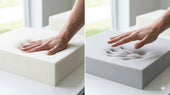
This misalignment creates pressure points where your body weight concentrates, putting more pressure on smaller surface areas.
For side sleepers, these pressure points typically develop at the shoulders and hips.
For back sleepers, pressure often concentrates in the lower back region.
These prolonged pressure points over many nights can trigger a cascade of physiological responses that lead to pain and inflammation.
The Science of Pressure Points and Inflammation
When excessive pressure is applied to soft tissues for extended periods, several things happen at the cellular level.
First, blood flow to the compressed area becomes restricted.
This reduction in circulation means that oxygen and nutrients struggle to reach the tissues, whilst metabolic waste products accumulate.
While acute inflammation serves a protective function, chronic low-grade inflammation from nightly pressure on a firm mattress can become a problem.
Research published in the Journal of Chiropractic Medicine has demonstrated that medium-firm mattresses reduce pain more effectively than firm mattresses for people with chronic lower back pain.
The study found that participants sleeping on medium-firm surfaces experienced less morning stiffness and improved pain scores compared to those on firm mattresses.
Australian sleep researchers have noted that the widespread belief in firm mattresses for back health may be outdated.
Modern understanding of biomechanics and pressure relief suggests that proper spinal alignment and pressure distribution matter more than simple firmness.
How Firm Mattresses Contribute to Morning Stiffness
Many Australians who sleep on firm mattresses report waking up with stiffness, particularly in the shoulders, hips, and lower back.
This morning stiffness is directly related to the wrong sleeping positions or pressure on the same point throughout the night.
When you remain in one position for hours on a surface that doesn't properly contour to your body, the sustained pressure causes fluid to accumulate in the tissues around the pressure points.
The stiffness typically improves as you begin moving your body, and circulation increases.
However, if you're experiencing this pattern regularly, it indicates that your mattress is likely contributing to unnecessary inflammation and discomfort.
The Role of Sleep Position in Mattress Selection
Your primary sleep position plays a crucial role in determining the ideal mattress firmness for your needs.
Different sleep positions create different pressure patterns and support requirements.
Side Sleepers: Approximately 60% of Australians prefer sleeping on their side. Side sleepers need more cushioning to accommodate the shoulders and hips, which protrude significantly when lying sideways. A mattress that's too firm prevents these areas from sinking in naturally, creating intense pressure points that can lead to shoulder pain, hip pain, and referred discomfort throughout the upper body.
Back Sleepers: Back sleepers distribute their weight more evenly but still need proper support for the natural lumbar curve. A firm mattress can create a gap between the lower back and the mattress surface, forcing the surrounding muscles to work throughout the night to maintain position. This sustained muscle tension contributes to inflammation in the soft tissues and morning lower back pain.
Stomach Sleepers: The small percentage of stomach sleepers may benefit from slightly firmer surfaces to prevent the hips from sinking too deeply, which can create an unnatural arch in the lower back. However, even for stomach sleepers, excessively firm mattresses can create pressure points at the chest and pelvis whilst forcing the neck into awkward positions.
How body weight determines the mattress firmness level
Beyond sleep position, body weight significantly influences how you experience mattress firmness. The same mattress can feel drastically different to individuals of varying weights.
Lighter individuals, typically those under 60kg, may find that firm mattresses feel even harder because they don't have sufficient body weight to compress the surface layers. This can result in sleeping essentially on top of the mattress rather than being properly cradled by it, leading to pressure point development.
Individuals in the average weight range of 60kg to 120kg generally find medium to medium-firm mattresses most comfortable and supportive. These firmness levels provide enough give to relieve pressure whilst maintaining adequate support for spinal alignment.
Chronic Inflammation and Long-Term Health Implications
The inflammation triggered by long-term pressure points isn't just about immediate discomfort.
When your body experiences inflammatory responses night after night due to poor mattress support, you're essentially in a state of ongoing physiological stress. The body never fully recovers before the next night's pressure creates the same problems again.
Sleep quality itself suffers when you're uncomfortable. Poor sleep has been extensively documented to increase inflammatory markers in the blood, creating a vicious cycle where the mattress triggers inflammation, sleep quality declines, and the poor sleep further promotes inflammatory processes.
Australian sleep medicine specialists increasingly recognize that optimizing sleep surfaces is an important component of managing chronic pain conditions and reducing overall inflammatory burden in the body.
Whats inside the mattress that matters
The materials used in mattress construction significantly impact how firmness translates to pressure relief and support. Two mattresses with the same firmness rating can feel completely different based on their composition.
Innerspring: Many firm mattresses sold in Australia use traditional innerspring construction. These mattresses tend to create more pronounced pressure points because the coils push back uniformly against your body weight. Whilst they provide good support, they often lack the pressure relief needed for comfortable sleep, particularly for side sleepers.
Memory Foam: Memory foam mattresses, even in firmer versions, tend to contour more closely to the body's shape. This material responds to both pressure and body heat, moulding around curves whilst still providing support. However, some Australians find memory foam retains too much heat, which can be uncomfortable in warmer months.
Latex: Natural latex mattresses offer a unique combination of responsiveness and pressure relief. Even firm latex mattresses typically provide better contouring than traditional innerspring mattresses, whilst maintaining good support. Latex also sleeps cooler than memory foam, making it popular in Australian climates.
Hybrid: Modern hybrid mattresses combine support cores, typically pocket coils, with comfort layers of foam or latex. These designs aim to provide the support of an innerspring with the pressure relief of foam materials. For many Australians seeking a firm feel with adequate pressure relief, hybrid construction offers an effective compromise.
Why DuuDuu's Firmness Rating of 7 Minimizes Pain and Inflammation
The DuuDuu mattress represents the culmination of sleep science research specifically applied to address pain and inflammation concerns.
Its firmness rating of 7 isn't arbitrary—it's been carefully selected based on chiropractic principles and feedback from most Australian sleepers.
At a firmness level of 7, DuuDuu provides what sleep researchers call "adaptive support".
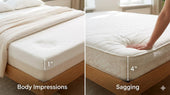
This means the mattress is firm enough to maintain proper spinal alignment, preventing the sagging that can occur with softer mattresses, whilst still offering enough conforming ability to cushion pressure points at the shoulders, hips, and lower back.
For side sleepers, who comprise the majority of Australians, DuuDuu's medium-firm feel allows the shoulders and hips to sink in just enough to keep the spine aligned without creating the excessive pressure that triggers inflammation.
The mattress supports the waist and other lighter areas, preventing the spine from bowing unnaturally.
Back sleepers benefit from DuuDuu's firmness level through consistent lumbar support.
The mattress maintains the natural curve of the lower back rather than creating a gap that forces muscles to work throughout the night.
This reduces the muscle tension and soft tissue inflammation that leads to morning lower back pain.
The medium-firm rating also makes DuuDuu versatile for combination sleepers who shift positions during the night.
You don't need to wake fully to adjust when moving from your back to your side, as the mattress accommodates both positions without compromising support or creating new pressure points.
DuuDuu's construction promotes better circulation throughout the night compared to firmer mattresses. By reducing sustained pressure on any single area, blood flow remains more consistent, delivering oxygen and nutrients to tissues whilst efficiently removing inflammatory waste products. This improved circulation is key to waking up without stiffness.
Another advantage of DuuDuu's medium-firm design is its suitability across a wide range of body weights. Lighter individuals won't feel like they're sleeping on top of the mattress, whilst heavier sleepers still receive adequate support without excessive sinking. This versatility makes DuuDuu an excellent choice for couples with different body types.
The materials used in DuuDuu's construction work synergistically with the firmness level to minimize inflammation. Advanced foam layers distribute weight evenly across the sleep surface, preventing the concentrated pressure points that occur with traditional firm mattresses. This even weight distribution is crucial for reducing the inflammatory response that causes morning pain.
Temperature regulation is another factor where DuuDuu excels in reducing inflammation. The mattress incorporates TruCool Fabric (cooling fabric) that prevents heat buildup, which is important because elevated body temperature during sleep can exacerbate inflammatory responses. For Australians sleeping in various climate zones, this temperature control contributes to better overall sleep quality and reduced inflammation.
Many Australians who switch to DuuDuu from very firm mattresses report noticeable improvements within the first few weeks. Morning stiffness decreases after waking, shortens, and overall sleep quality improves. These benefits reflect the reduction in nightly inflammation that occurs when pressure points are properly addressed.
Identifying If Your Mattress Is Too Firm
Several signs indicate that your firm mattress may be contributing to pain and inflammation:
1. Morning pain that improves throughout the day suggests that your sleeping surface is creating problems. If you wake with shoulder, hip, or lower back pain that wasn't present when you went to bed, your mattress firmness deserves evaluation.
2. Numbness or tingling in the arms, hands, or legs during the night often results from compressed nerves at pressure points. This is particularly common for side sleepers on firm mattresses, where the shoulder compresses nerves in the brachial plexus.
3. Tossing and turning frequently throughout the night may indicate that your body is trying to relieve pressure by changing positions. Whilst some movement is normal, excessive position changes can disrupt sleep cycles and prevent proper rest.
4. Waking up feeling unrested despite spending adequate time in bed suggests that sleep quality is compromised. If your mattress is causing discomfort and micro-arousals throughout the night, you may not be achieving sufficient deep sleep for proper recovery.
The Medium-Firm Sweet Spot for Most Australians
Current research and clinical experience suggest that medium-firm mattresses, typically rated around 6 to 7 on the firmness scale, work well for the majority of Australian sleepers. This firmness level provides several advantages over truly firm surfaces.
The DuuDuu mattress, with its firmness rating of 7, falls perfectly within this research-backed sweet spot. This medium-firm feel has been specifically engineered to suit Australian sleep preferences whilst delivering the pressure relief needed to prevent inflammation and pain. Whether you're a side sleeper needing shoulder and hip cushioning or a back sleeper requiring lumbar support, DuuDuu's firmness level adapts to your body's needs.
Medium-firm mattresses allow the heavier parts of your body to sink in slightly while supporting lighter areas. This creates better spinal alignment across different sleep positions and reduces the development of pressure points that trigger inflammation.
The slight give of a medium-firm surface promotes better circulation throughout the night. By reducing sustained pressure on any single area, blood flow remains more consistent, delivering oxygen and nutrients whilst removing metabolic waste products.
For combination sleepers who shift between positions during the night, medium-firm mattresses offer greater versatility. They provide enough support for back sleeping whilst offering adequate cushioning for side sleeping, reducing the need to completely wake up when changing positions.
Transitioning to a Medium-Firm Mattress
If you've been sleeping on a firm mattress for years, transitioning to a medium-firm surface may require an adjustment period. Your body has adapted to the firm surface, and changing to a different feel can take time.
Most Australians experience some initial uncertainty when switching mattress firmness levels. The new surface may feel unfamiliar, and you might even experience temporary discomfort as your body adjusts. This adaptation period typically lasts one to three weeks.
During this transition, pay attention to morning pain levels and overall sleep quality. If you're waking up with less stiffness and feeling more rested after the initial adjustment period, these are positive signs that the new firmness level suits you better.
Many Australian mattress retailers offer trial periods, typically ranging from 60 to 120 nights. These trials allow you to test whether a different firmness level reduces your pain and inflammation without committing to a purchase immediately.
Complementary Strategies for Reducing Sleep-Related Inflammation
Whilst addressing mattress firmness is crucial, several complementary approaches can further reduce inflammation and improve sleep quality for Australians dealing with pain.
Pillow selection matters significantly, particularly for side sleepers. A pillow that properly supports the head and neck maintains spinal alignment from the cervical spine through to the lumbar region. For side sleepers, a thicker, firmer pillow fills the gap between the shoulder and head. Back sleepers typically need a thinner pillow that supports the natural neck curve without pushing the head too far forward.
Mattress toppers offer a cost-effective way to modify mattress firmness without replacing the entire mattress. A quality foam or latex topper, typically 5 to 8cm thick, can soften a firm mattress enough to reduce pressure points whilst still benefiting from the underlying support structure. With DuuDuu, we have an in-built mattress topper.
Temperature regulation affects inflammation levels. Cooler sleeping environments, typically between 16 and 20 degrees Celsius, promote better sleep quality and may help reduce inflammatory markers. Using breathable bedding materials and maintaining good bedroom ventilation supports optimal sleep temperature, which is particularly important in Australia's varied climate zones.
Pre-sleep routines that include gentle stretching or light movement can help prepare your body for rest. These activities promote circulation and may reduce muscle tension that contributes to discomfort on any sleep surface.
Medical Help
Whilst mattress firmness plays a significant role in sleep-related pain and inflammation, persistent problems warrant professional evaluation. Australian physiotherapists, chiropractors, and sleep medicine specialists can assess whether underlying conditions contribute to your symptoms.
Conditions such as inflammatory arthritis, fibromyalgia, or spinal disorders may require targeted treatment beyond mattress modification. These specialists can also provide personalized recommendations for sleep surfaces based on your specific body mechanics and health status.
If you've changed to an appropriate mattress firmness and implemented other sleep hygiene improvements but continue experiencing significant morning pain, numbness, or stiffness, professional assessment is warranted. Chronic inflammation requires proper diagnosis and management.
Making an Informed Mattress Decision
When shopping for a new mattress in Australia, resist the urge to automatically choose the firmest option based on what your previous mattress feels like. Instead, consider your sleep position, body weight, and current pain patterns. The DuuDuu mattress, with its medium-firm rating of 7, has been designed with these exact considerations in mind.
If you're testing mattresses in store, spend at least 10 to 15 minutes lying down in your actual sleep position. Pay attention to where you feel pressure building up. Your shoulders, hips, and lower back should feel supported without uncomfortable pressure—exactly what DuuDuu's carefully calibrated firmness delivers.
Ask about the materials used in construction and how they contribute to pressure relief. DuuDuu's advanced construction of many layers combines supportive materials such as natural latex with pressure-relieving layers that work together to reduce inflammation whilst maintaining proper spinal alignment across all sleep positions.
Consider the trial period and return policy. A generous trial period allows you to truly assess whether a mattress reduces your pain and inflammation over several weeks. This real-world testing is far more valuable than a brief in-store experience and gives you confidence that you're making the right choice for your long-term sleep health.
Choose DuuDuu for Pain-Free, Restorative Sleep
The widespread belief that firm mattresses are best for back health has been challenged by modern research and clinical experience. For most Australians, particularly side sleepers and those of average body weight, firm mattresses may actually contribute to pain and inflammation rather than preventing it.
Understanding the link between pressure points, reduced circulation, and inflammatory responses helps explain why so many people wake up stiff and sore despite spending eight hours in bed. The DuuDuu mattress, with its carefully calibrated firmness rating of 7, directly addresses these issues by providing the optimal balance of support and pressure relief.
By choosing DuuDuu's medium-firm design, you're investing in a sleep surface that works with your body's natural biomechanics rather than against them. The reduction in pressure points means less inflammation, better circulation, and more restorative sleep. For Australians dealing with morning pain, stiffness, or poor sleep quality, DuuDuu offers 30 years of experience-backed solution.
Quality sleep on a properly supportive surface is an investment in your overall health and well-being. Reducing chronic inflammation through better pressure relief can improve not just your morning comfort but your long-term health outcomes. The DuuDuu mattress represents a smart choice for Australians who want to wake up refreshed, pain-free, and ready to enjoy their day.
If you're currently experiencing morning pain, stiffness, or poor sleep quality on a firm mattress, it may be time to experience the DuuDuu difference. With its medium-firm firmness level of 7, DuuDuu provides the optimal balance that your body needs for pain-free, restorative sleep night after night.