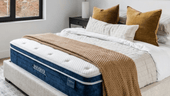
A mattress arrives at your door in a box barely bigger than a bar fridge, then expands into a full queen overnight. It feels like a magic trick, but it is clever engineering.
This guide walks through how a modern hybrid mattress is actually made, from raw materials to the moment you unbox it, so you can buy online with confidence.
The Raw Materials
A quality hybrid starts with a few core components.
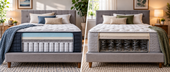
- Pocket springs: individually wrapped steel coils that move independently to support the body and isolate movement.
- Comfort foams: layers such as high-density support foam and pressure-relieving comfort foam, sometimes with latex for a cooler, more responsive feel.
- Cover fabric: a breathable, often cooling knit fabric that is quilted to form the sleeping surface.
The quality of these inputs, especially foam density and the spring system, is what separates a mattress that lasts a decade from one that sags in two years.
Building the Support Core
The heart of a hybrid is the pocket-spring unit. Each coil is encased in its own fabric pocket and the pockets are joined into a single layer.
Because the springs move independently, they contour to your body and limit the ripple effect when a partner moves. Many mattresses also zone the springs, using firmer coils under the hips and softer ones under the shoulders. Our article on the benefits of three-zone mattresses explains how zoning supports the spine.
Adding Comfort and Zoning Layers
Foam layers are added on top of the spring unit in a deliberate order: firmer support foam closer to the springs, softer pressure-relieving foam towards the surface. This layering is what creates the balance of support and cushioning you feel when you lie down.
Quilting and the Cover
The cover is quilted, sometimes with a thin foam layer, and assembled around the mattress. A good cover does more than look tidy: a breathable or cooling knit helps manage heat and moisture, which matters in the Australian climate.
Compression, Roll-Packing and Boxing
Here is the part that surprises people. Once assembled, the mattress is fed through a press that squeezes the air out of the foams, then it is rolled tightly and sealed in plastic before being slid into a box.
Modern foams and pocket springs are designed to tolerate this compression for a reasonable period without damage. That is why a mattress-in-a-box can be shipped affordably and carried up a narrow staircase by one person. To understand why so many Australians now shop this way, see why mattress-in-a-box is changing how Australians sleep.
What Happens When You Unbox It
When you cut the plastic, the mattress draws in air and expands, usually taking shape within a few hours and reaching full height over a day or two.
You may notice a faint "new mattress" smell as the fresh foam airs out. This is normal and fades quickly with ventilation. We cover this in detail in our guide on off-gassing and new mattress smell.
Quality Control and Certifications
Reputable manufacturers test materials for safety and emissions, and quality foams often carry independent certifications. Knowing which certifications to look for helps you shop safely; our guide to mattress certifications in Australia decodes the badges.
Frequently Asked Questions
How is a mattress compressed into a box?
The assembled mattress is pressed to force air out of the foams, then rolled tightly and vacuum-sealed in plastic before being placed in a box. The foams and pocket springs are engineered to recover their shape once the plastic is removed.
Does boxing damage a mattress?
Not when done correctly with materials built for it. Quality foams tolerate compression for the shipping period and bounce back when unpacked. Long-term storage compressed in the box is a different matter and should be avoided.
How long does a boxed mattress take to expand?
Most mattresses take shape within a few hours and reach close to full height within 24 to 48 hours. You can usually sleep on it the first night.
Are boxed mattresses as good as showroom ones?
Yes. The construction is the same quality; the only difference is how it is delivered. Buying direct also removes showroom overheads, which is why boxed mattresses often offer better value. A sleep trial lets you test it properly at home, which a few minutes in a showroom never could.