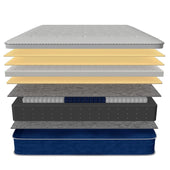
- A duvet is a plain insert filled with down or synthetic fibre that needs a separate cover to use.
- A comforter is a thicker, decorative quilted blanket that comes ready to use without an additional cover.
- Duvets are more versatile because you can swap covers for different seasons or moods, and the cover is easy to wash.
- Comforters are simpler and more convenient, but harder to launder and less flexible for changing bedroom decor.
- For most Australian sleepers, a duvet with seasonal inserts (lighter for summer, heavier for winter) is the more practical choice.
When it comes to bedding, the choices seem endless: duvets, comforters, quilts—oh my!
But if you've ever found yourself scratching your head over the distinction between a duvet and a comforter, fear not.
Duvet: Your Ticket to Cozy Comfort
Let's start with the star of the show: the duvet.
Originating from the French word "duvet," meaning "down," these fluffy wonders are designed to envelop you in a cloud of comfort.
But what exactly sets a duvet apart from its counterparts?
At its core, a duvet is a soft, flat bag filled with down, feathers, or synthetic fibers.
Think of it as a giant pillowcase for your comforter—simply slip your duvet insert inside, secure it with buttons, ties, or a zipper, and voila!
Instant coziness awaits.
One of the hallmarks of a duvet is its versatility.
With a duvet cover that can be easily removed and washed, you can switch up your bedding style with ease, from season to season or whenever the mood strikes.
Plus, the ability to customize your duvet cover allows you to express your personal style and refresh your bedroom decor without breaking the bank.
Comforter: A Classic Bedding Staple
Now, let's turn our attention to the trusty comforter. Familiar to many as a staple of bedding sets everywhere, the comforter is a thick, quilted blanket typically filled with down, feathers, or synthetic fibers.
But what sets it apart from its duvet counterpart?
Unlike a duvet, which requires a separate duvet cover for protection and style, a comforter comes complete with its own built-in cover, eliminating the need for additional bedding accessories.
Simply toss your comforter on the bed, fluff it up, and you're ready to snuggle up in style.
While comforters may lack the customizable options of duvet covers, they make up for it with their convenience and simplicity.
With a wide range of styles, colors, and fill options available, finding the perfect comforter to suit your sleep preferences has never been easier.
Choosing the Right Bedding for You: Duvet vs. Comforter
Which one is right for you?
The answer ultimately comes down to your personal preferences and lifestyle needs.
Consider a Duvet If:
- You crave versatility and enjoy changing up your bedding style frequently.
- You prefer the option to customize your bedding with different duvet covers.
- You appreciate the lightweight feel of a duvet insert, especially during warmer months.
- You're looking for a bedding option that's easy to launder and maintain.
Opt for a Comforter If:
- You value convenience and prefer a bedding option that comes complete with its own cover.
- You prioritize warmth and enjoy the cozy feel of a thick, quilted blanket.
- You're drawn to the wide range of styles and colors available in comforter sets.
- You prefer a bedding option that requires minimal fuss and upkeep.
Whether you're team duvet or team comforter, one thing's for sure: The right bedding can make all the difference in creating a sleep sanctuary that's as stylish as it is comfortable.
From the versatility of duvet covers to the convenience of all-in-one comforter sets, there's a bedding option out there to suit every taste and preference.
Frequently Asked Questions (FAQs)
Q: What's the difference between a duvet and comforter?
A: The main difference between a duvet and comforter is that a duvet is typically a plain, quilted insert filled with down or synthetic materials, designed to be used with a separate cover.
A comforter, on the other hand, is a ready-to-use bedding item that doesn't require a cover.
Duvets are usually fluffier and easier to clean, while comforters are often more decorative and come in various designs.
Q: What are the pros and cons of a duvet vs comforter?
A: Pros of a duvet include easy cleaning (as you only need to wash the cover), versatility in changing styles, and better insulation.
Cons include the need to purchase a separate cover and potential shifting of the insert.
Comforters are ready to use, often more decorative, and maintain an evenly distributed fill.
However, they can be more difficult to clean and less versatile in terms of style changes.
Q: How do duvet sizes compare to comforter sizes?
A: Duvet sizes and comforter sizes generally correspond to standard mattress sizes (Double, Queen or King).
However, duvets are often slightly smaller than comforters to fit inside duvet covers.
It's important to choose a duvet that fits your mattress size and matches the size of your duvet cover to ensure a proper fit.
Q: What is a duvet cover and why is it used?
A: A duvet cover is a protective layer that slips over the duvet insert. It serves multiple purposes: it keeps the duvet clean, allows for easy changing of bedroom decor, and can be easily removed for washing.
Duvet covers are often sold separately and come in various colors, patterns, and materials to suit different preferences and decor styles.
Q: How do you use a duvet properly?
A: To use a duvet properly, first select a duvet insert and a compatible cover. Insert the duvet into the cover, securing it at the corners to prevent shifting.
Shake the duvet regularly to redistribute the filling evenly.
When making the bed, you can either use the duvet alone or layer it with a top sheet for added warmth and comfort.
Q: Are duvets or comforters better for different seasons?
A: Duvets are often preferred for year-round use due to their versatility.
You can change the duvet insert or cover to adjust for different seasons.
Lighter, lower fill power duvets work well for summer, while heavier, high fill power options keep you warm in winter.
Comforters are usually designed for specific seasons, with lighter ones for summer and thicker ones for winter, requiring more storage space for off-season bedding.
Q: How do you choose the best duvet or comforter?
A: To choose the best duvet or comforter, consider factors such as:
1. Climate and personal temperature preferences
2. Fill material (down, synthetic, or alternative fills like wool)
3. Fill thickness (for warmth and loft)
4. Size (matching your mattress)
5. Care instructions (machine washable vs. dry clean only)
6. Budget (duvets with covers can be more cost-effective long-term)
7. Allergies (hypoallergenic options are available)
8. Desired aesthetic (patterned comforters vs. versatile duvet covers)
Q: What's the difference between a duvet, comforter, and quilt?
A: A duvet is a plain insert designed to be used with a cover.
A comforter is a decorative, quilted bedding item that's ready to use without a cover.
A quilt is typically thinner than both, made of three layers of fabric with a decorative top layer, often featuring intricate stitching patterns.
Quilts provide less insulation than duvets or comforters and are often used for a layered look or in warmer climates.
How long does a quality duvet last?
Down duvets last 10 to 15 years; synthetic duvets typically 5 to 10 years. Wool duvets fall in between. Quality matters more than fill type for longevity. Replace when the duvet flattens, lumps form, or you're cold despite using it.
Can I dry-clean a duvet, or is it always wash?
Both options exist. Down duvets often need professional cleaning since home washing can clump the fill. Synthetic duvets are usually machine washable. Always check the label, since cleaning the wrong way damages the fill.
How do I store a duvet for the off-season?
Wash and fully dry first. Store in a cotton or linen bag (not plastic, which traps moisture). Add a few cedar blocks for moth deterrent. Store in a dry, cool place. Don't compress with heavy items, which damages the fill.
Are weighted blankets compatible with duvets?
You can use a weighted blanket under a duvet for combined effects. The weighted blanket provides pressure (good for anxiety and sleep onset); the duvet provides warmth. The combination can feel quite warm, so adjust based on the season.
What's the warmest type of duvet for cold winters?
European white goose down with a high fill power (700+). It traps warmth efficiently while remaining lightweight. Wool duvets are also warm but heavier. For Australian winters, even cold ones in Melbourne or Tasmania, fill power of 500 to 600 is sufficient.
Are there allergy-friendly duvets?
Yes. Down-alternative synthetic fills are hypoallergenic. Tightly woven covers (300+ thread count cotton) prevent dust mites from penetrating. Some duvets are specifically certified hypoallergenic for severe allergy sufferers.
Should I buy two thinner duvets for combining in cold weather?
Some people do this. Two lightweight duvets can be more flexible than one heavy one (use either alone in milder weather, both in cold). The downside is more cleaning and storage hassle. Single seasonal duvets are simpler.
Can I machine wash a duvet at home?
Synthetic and lightweight down duvets, yes, in a large-capacity washing machine on cold gentle cycle. Standard household machines (8 kg capacity) can struggle with king-size duvets. Laundromats with industrial machines handle larger duvets better.
How do I keep a duvet from shifting inside its cover?
Use ties or buttons at the corners and middle to secure the duvet to the cover. Most quality duvet covers have these. Shake the cover daily to redistribute fill evenly. Replace covers that have lost their corner ties.
Are silk-filled duvets actually better than down?
Silk has natural temperature regulation but isn't as warm or fluffy as down. Silk works well in moderate climates and for people who tend to overheat. Down still offers superior warmth-to-weight in cold weather.