- Magnesium relaxes muscles, calms the nervous system, and supports melatonin production, which makes it one of the most effective sleep supplements.
- Melatonin works best for irregular schedules and jet lag rather than as a nightly aid.
- Valerian root and L-theanine both promote calm without strong drowsiness, while glycine can help by lowering body temperature.
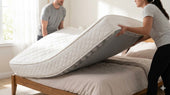
- Even the best supplement stack will not overcome an unsupportive mattress, so the bed itself comes first.
- Combine the right supplements with a quality mattress, a cool dark room, and a screen-free wind-down for the best results.
In today’s fast-paced world, many people struggle to get a good night's sleep.
Stress, technology, and lifestyle choices often lead to restless nights and tired mornings.
However, there are ways to improve your sleep quality significantly.
Two key factors that can make a substantial difference are the right supplements and a high-quality mattress.
How can supplements like magnesium support better sleep?
The Role of Supplements in Promoting Better Sleep
Supplements have become a popular aid for enhancing sleep quality.
Among these, magnesium stands out as a particularly effective option.
Here’s why:
Magnesium
This essential mineral plays a critical role in numerous bodily functions, including sleep regulation. Magnesium helps to:
- Relax the Muscles: It aids in muscle relaxation, which can help reduce physical tension and make it easier to fall asleep.
- Calm the Nervous System: Magnesium influences the parasympathetic nervous system, which helps to calm the body and prepare it for sleep.
- Regulate Melatonin: It helps regulate melatonin production, the hormone responsible for controlling your sleep-wake cycle.
Melatonin Supplements
Melatonin is a hormone that naturally regulates the sleep-wake cycle.
Supplementing with melatonin can be especially helpful for people with irregular sleep schedules or those experiencing jet lag.
Valerian Root
This herbal supplement has been used for centuries to treat insomnia and anxiety.
It is believed to increase the levels of GABA (gamma-aminobutyric acid) in the brain, which has a calming effect on the nervous system.
L-Theanine
Found in tea leaves, this amino acid promotes relaxation without causing drowsiness.
It can help improve sleep quality by reducing anxiety and promoting relaxation.
Glycine
This amino acid can help improve sleep quality by lowering body temperature and increasing serotonin levels.
The Importance of a Good Mattress
While supplements can certainly aid in getting better sleep, the quality of your mattress is equally crucial.
Here’s how a good mattress can make a difference:
Proper Support
A high-quality mattress provides the right balance of support and comfort.
It aligns your spine and reduces pressure points, which can help prevent aches and pains that might wake you up during the night.
Comfort
Comfort is subjective and depends on personal preferences.
A good mattress can cater to these preferences, whether you like a firm, medium, or soft feel, ensuring you stay comfortable throughout the night.
Durability
Investing in a good mattress means it will last longer and maintain its supportive qualities over time, ensuring consistent sleep quality.
Motion Isolation
If you share a bed, a mattress with good motion isolation can prevent you from being disturbed by your partner’s movements, allowing for uninterrupted sleep.
Temperature Regulation
Many modern mattresses are designed with materials that regulate temperature, helping you stay cool and comfortable throughout the night.
Hygiene and Allergen Control
High-quality mattresses often come with hypoallergenic materials and removable, washable covers that help keep dust mites and allergens at bay, contributing to a healthier sleep environment.
Combining Supplements and a Good Mattress for Optimal Sleep
To achieve the best possible sleep, combining the right supplements with a high-quality mattress can be incredibly effective. Here’s how this combination works synergistically:
Enhanced Relaxation
Supplements like magnesium and valerian root help relax your muscles and calm your mind, making it easier to fall asleep.
A comfortable mattress supports this relaxation by reducing physical discomfort.
Improved Sleep Quality
Supplements such as melatonin and L-theanine can help you stay asleep by regulating your sleep-wake cycle and reducing anxiety.
A good mattress ensures you don’t wake up due to discomfort or partner movements.
Holistic Health Benefits
Better sleep translates to better overall health.
Improved sleep quality enhances cognitive function, mood, and physical health.
This combination can help reduce stress, improve memory, boost the immune system, and even contribute to weight management.
Consistency and Routine
Using supplements regularly and sleeping on a quality mattress can help establish a consistent sleep routine.
Consistency is key to maintaining good sleep hygiene and reaping the long-term benefits of restful sleep.
Practical Tips for Better Sleep
To maximize the benefits of supplements and a good mattress, consider incorporating the following sleep hygiene practices:
Stick to a Sleep Schedule
Go to bed and wake up at the same time every day, even on weekends.
This helps regulate your internal clock.
Create a Relaxing Bedtime Routine
Engage in calming activities before bed, such as reading, taking a warm bath, or practicing mindfulness meditation.
Limit Exposure to Blue Light
Avoid screens at least an hour before bedtime.
Blue light from phones and computers can interfere with melatonin production.
Optimize Your Sleep Environment
Keep your bedroom cool, dark, and quiet.
Consider using blackout curtains and a white noise machine if necessary.
Watch Your Diet
Avoid caffeine, alcohol, and heavy meals close to bedtime.
Opt for a light snack if you’re hungry.
Stay Active
Regular physical activity can help you fall asleep faster and enjoy deeper sleep.
Just avoid vigorous exercise close to bedtime.
Manage Stress
Practice stress-relief techniques such as yoga, deep breathing, or journaling to calm your mind before bed.
Consult a Professional
If you have chronic sleep issues, consider talking to a healthcare professional.
They can help identify underlying causes and recommend appropriate treatments.
Achieving high-quality sleep is a multifaceted approach that involves not just the right supplements but also the right sleep environment.
Supplements like magnesium, melatonin, valerian root, and L-theanine can significantly enhance your ability to fall and stay asleep.
Coupled with a high-quality mattress that provides proper support, comfort, and durability, you can transform your sleep routine and overall health.
Remember, good sleep is not just about quantity but quality.
By investing in the right supplements and a good mattress, and by practicing healthy sleep habits, you can ensure that you wake up feeling refreshed, rejuvenated, and ready to take on the day.
What's the safest dose of melatonin to start with?
Start with 0.5 to 1 mg about 30 to 60 minutes before bed. Higher doses (3 to 5 mg) aren't more effective for most people and can cause grogginess the next day. Lower doses match what your body produces naturally and have fewer side effects.
Can I take valerian root every night, or only occasionally?
Valerian root is generally safe for nightly use over weeks to months, but tolerance can build. Most experts recommend cycling on for 4 to 6 weeks, off for 1 to 2, to maintain effectiveness. Don't combine with prescription sedatives.
Does L-theanine work the same as a benzodiazepine for sleep anxiety?
L-theanine produces calm without sedation, while benzodiazepines actively sedate. L-theanine is much milder but has minimal side effects and no dependence risk. It works well for mild sleep anxiety; severe anxiety or insomnia may need medical treatment.
When should I take magnesium for sleep, with dinner or before bed?
Take magnesium with dinner or 1 to 2 hours before bed, since it takes time to absorb. Taking it later doesn't allow enough time before sleep. Magnesium glycinate is best absorbed; magnesium citrate has more digestive effects (can cause loose stools).
Are there any supplements I should avoid combining?
Melatonin and valerian both promote sleep, so combining them can lead to next-day grogginess. Avoid mixing them with alcohol or prescription sleep medications. Always tell your doctor about all supplements before adding new prescriptions.
Can supplements help with shift work sleep disorder?
Melatonin specifically helps shift workers reset their circadian rhythm. Take it in small doses (0.5 to 1 mg) at the time you want to start sleeping, even if that's 8 am. Combine with blackout curtains and a consistent schedule for best results.
Is glycine effective for sleep, and how do I take it?
Glycine (3 grams before bed) modestly improves sleep quality by lowering core body temperature. It's well-tolerated and inexpensive. The effect is subtle compared to melatonin but builds over weeks of use. Available as powder or capsules.
How long should I take a sleep supplement before deciding it's not working?
Give it 2 to 4 weeks for melatonin and L-theanine, 4 to 6 weeks for valerian and magnesium. Building up plasma levels takes time. If there's no improvement after 6 weeks, the supplement isn't right for you and may indicate you need to look at other sleep factors.
Can I get sleep-supporting nutrients from food rather than supplements?
Yes. Magnesium-rich foods include almonds, spinach, and dark chocolate. Tryptophan (precursor to melatonin) is in turkey, eggs, and dairy. Tart cherry juice contains natural melatonin. A varied diet covers most needs without supplements being necessary.
Are there any sleep supplements safe during pregnancy?
Talk to your doctor before taking any supplements while pregnant. Magnesium is generally considered safe in pregnancy and helps with leg cramps and sleep. Melatonin and valerian are not recommended during pregnancy. Lavender aromatherapy is a safer option.