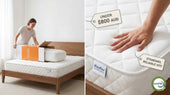
A high quality hybrid mattress typically lasts between 8 and 10 years, though premium models featuring natural latex can maintain their structural integrity for up to 15 years. This longevity stems from a strategic combination of heavy duty steel coils and high density comfort foams designed to resist premature sagging.
However, many sleepers struggle with morning back pain long before their warranty expires due to poor maintenance or low quality materials. We will break down the specific factors that dictate how long does a hybrid mattress last and identify the warning signs that your bed is failing to support your spine.
- The Expected Hybrid Mattress Lifespan in 2026
- 4 Clear Signs Your Current Mattress Is Failing
- How Do Maintenance Habits Impact Durability?
- External Factors That Accelerate Material Fatigue
The Expected Hybrid Mattress Lifespan in 2026
Hybrid mattresses typically last 7 to 10 years, though premium latex versions often reach 15 years. Durability hinges on coil gauge and foam density, with structural failure usually defined by 1.5-inch indentations.
The lifespan varies significantly based on the quality of internal components used during the manufacturing process.
Standard Durability for Quality Builds
Expect a solid 7 to 10 years from mid-tier models. Your build quality determines if comfort layers stay resilient or start sagging early.
A lower steel coil gauge means thicker, tougher springs. These heavy wires fight metal fatigue much longer than thin ones.
High-density foams stop early softening. This keeps your bed flat.
Cheap materials fail. Seek premium density to avoid early replacement.
Hybrids vs. Traditional Foam Models
Pocketed coils provide a robust structural skeleton that solid foam blocks lack. Steel springs maintain their height under pressure. Conversely, polyfoam bases tend to compress permanently over time. This mechanical advantage gives hybrids a significant edge in long-term shape retention.
Airflow through the spring layer reduces heat. Less heat means comfort foams degrade much slower.
Foam beds often sag within five years. The hybrid architecture fights this fatigue.
The Extended Life of Latex Hybrids
Natural latex layers frequently push the mattress lifespan toward 15 years. This vulcanized rubber is incredibly resilient. It bounces back instantly compared to synthetic alternatives.
Memory foam needs heat to contour, eventually breaking its structure. Latex stays cool and maintains elasticity. It rarely develops permanent body impressions.
Choosing Dunlop or Talalay latex ensures maximum utility. It is a smart move for durability.
4 Clear Signs Your Current Mattress Is Failing
But even the best builds eventually wear out, and the warning signs are usually physical. Transitioning from a supportive surface to a failing structure happens slowly, but once these symptoms appear, your sleep quality is already at risk.
Measuring the 1.5-Inch Sagging Threshold
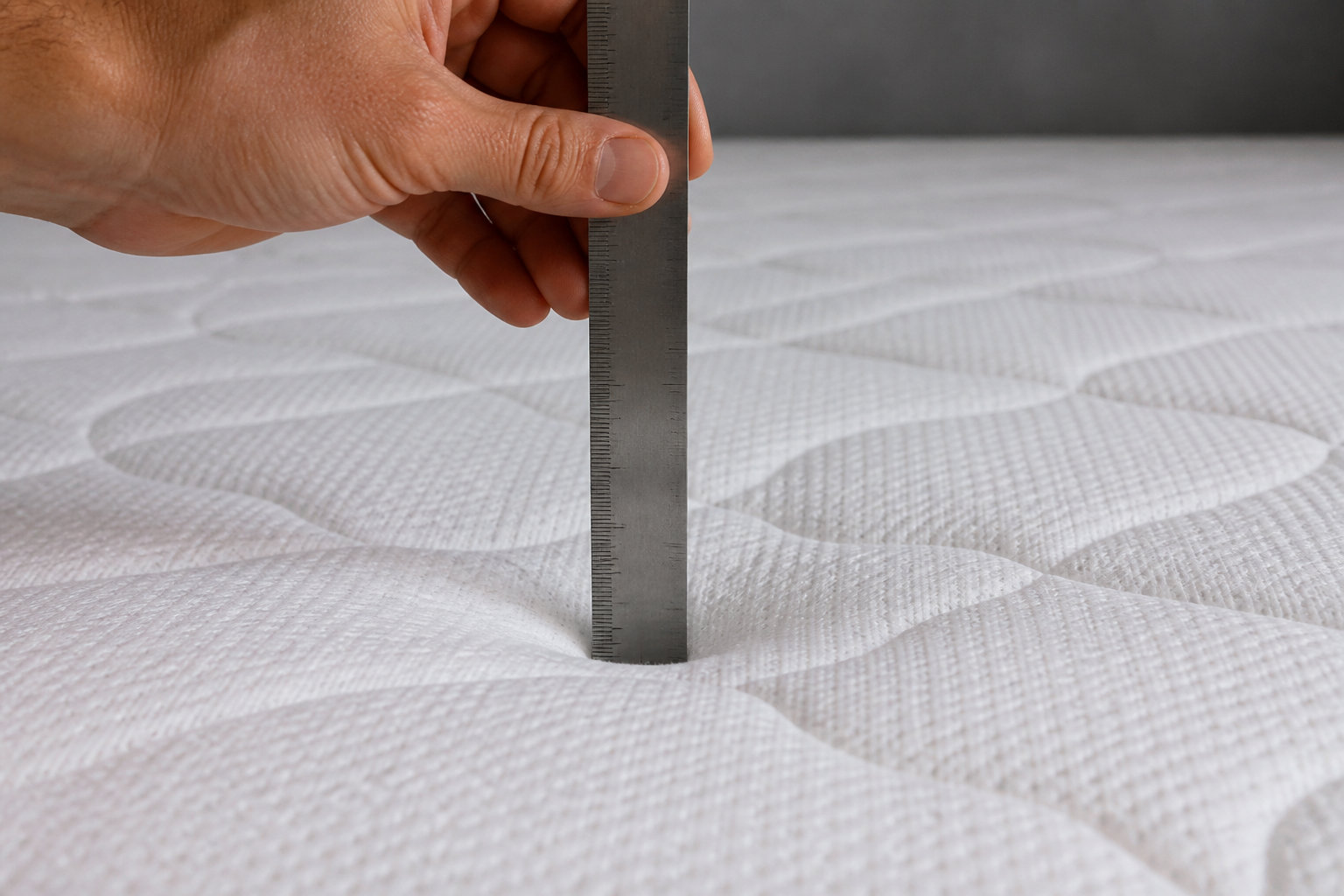
Use a long straight edge across the mattress surface. Measure the gap between the tool and the lowest point. A 1.5-inch dip is the standard for structural failure.
Normal settling of the top fibers is expected and safe. However, deep indentations suggest the support coils have lost their tension. This depth usually triggers a valid warranty claim.
Don't ignore these valleys. They ruin your spinal alignment and lead to chronic discomfort every single night.
Audible Coil Failure and Structural Noise
Listen for sharp clicking or grinding sounds when you move. These noises indicate broken pocketed springs rubbing together. Healthy coils should remain silent under normal body weight.
Internal friction generates unwanted heat and indicates mechanical wear. Check if the noise comes from the bed frame first. If the mattress itself squeaks, the structure is likely compromised.
Broken springs can eventually poke through the foam. This is a safety hazard and a sign to replace it.
Morning Aches and Spinal Misalignment
Waking up with lower back pain is a major red flag. It means the lumbar support in the coil unit has vanished. Your spine is likely bowing all night.
Frequent tossing and turning suggests you are "bottoming out" against the hard coils. The comfort layer is too thin to protect your pressure points. You deserve better sleep quality.
Persistent pain that fades after an hour of being awake is mattress-related. Your body is telling you the truth.
How Do Maintenance Habits Impact Durability?
Prevention is better than replacement, and simple habits can add years to your investment. Transitioning from basic usage to proactive care ensures your hybrid remains supportive for its full lifespan.
Effective Rotation for Even Wear
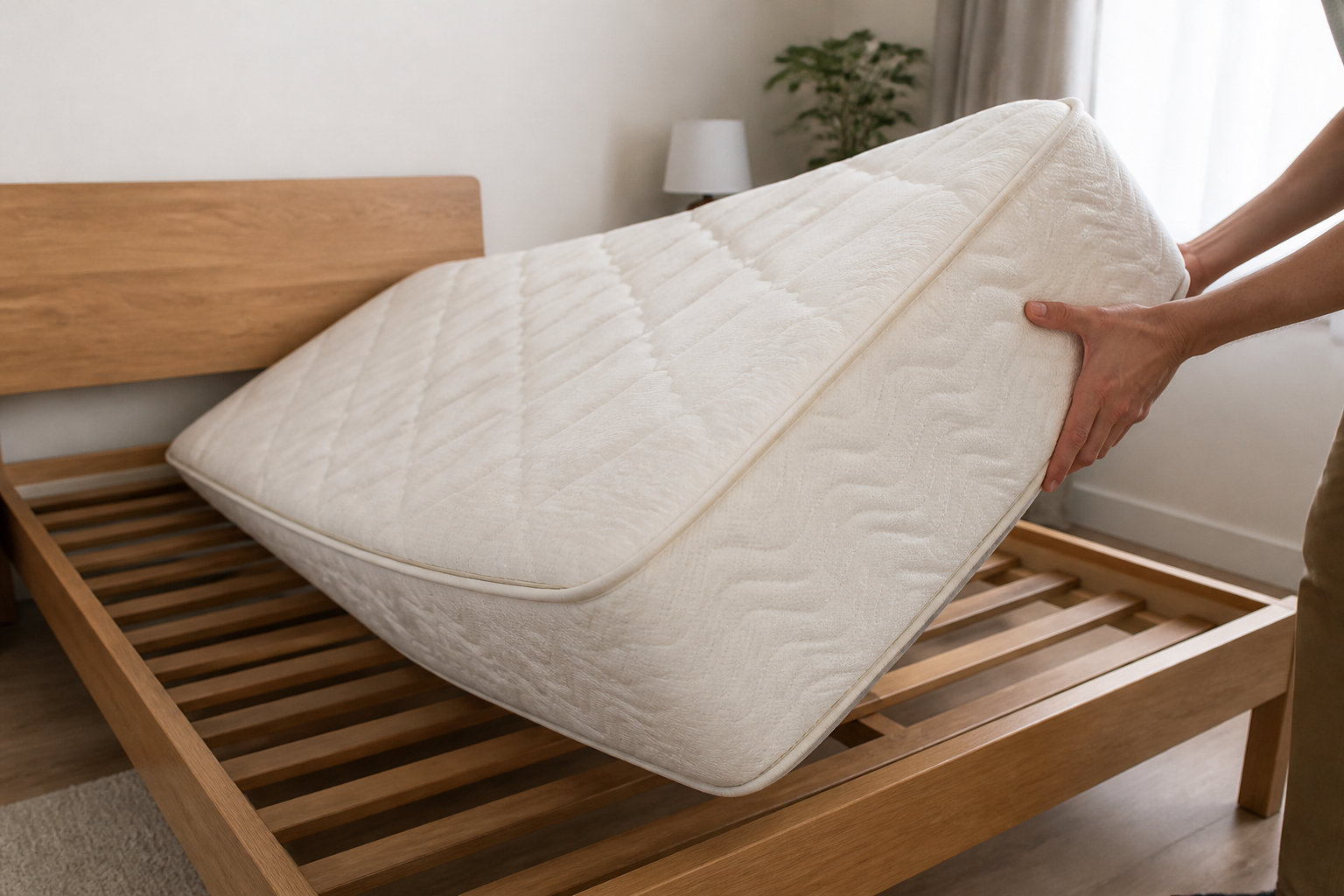
Rotate your hybrid 180 degrees every six months. This prevents localized foam compression where your hips usually rest. It spreads the mechanical load across all the internal pocketed springs.
Zoned support systems still require regular rotation to stay effective. Never flip a modern hybrid because the base layers are not designed for sleeping. Flipping will destroy the comfort materials instantly. Keep the decorative side facing up at all times.
Mark your calendar for these rotations. Consistency is the secret to long-term flatness.
Hygienic Protection Against Degradation
Use a waterproof protector to shield the foam from sweat. Moisture causes foam cells to oxidize and soften prematurely. A dry mattress is a durable mattress for many years.
Aging materials trap dust mites and skin cells. This hygienic degradation can trigger allergies even if the springs are fine. Vacuum the surface regularly to remove these microscopic irritants.
Clean spills immediately with a damp cloth. Do not saturate the internal layers. Excess liquid will ruin the adhesives holding the mattress together.
External Factors That Accelerate Material Fatigue
Beyond maintenance, the environment and how you use the bed dictate the final expiration date.
Body Weight and Sleep Position Impact
Higher body mass exerts more force on the coil system. This accelerates spring fatigue and foam softening. Heavier sleepers should choose mattresses with reinforced edge support and thicker wire.
Side sleepers concentrate all their weight on the shoulders and hips. This creates localized wear patterns faster than back sleeping. The daily pressure on the perimeter can also weaken the edge support. Check the sides for any noticeable bulging or leaning.
Your sleeping position dictates where the bed fails first. Monitor those specific zones closely.
Foundation Support and Room Conditions
Ensure your bed frame has slats no more than three inches apart. Wide spacing causes the hybrid base to sag between the gaps. A solid foundation is mandatory for durability.

High humidity levels soften synthetic foams and can rust metal coils. Keep your bedroom cool and dry. Direct sunlight also oxidizes comfort layers, making them brittle and prone to cracking.
| Material Type | Typical Lifespan | Primary Failure Mode | Durability Rating |
|---|---|---|---|
| Polyfoam Hybrid | 6-7 Years | Foam Softening | 2/5 |
| Memory Foam Hybrid | 8-10 Years | Sagging | 3/5 |
| Latex Hybrid | 10-15 Years | Material Oxidation | 5/5 |
| Innerspring (Traditional) | 5-7 Years | Rust & Noise | 2/5 |
Quality hybrid mattress lifespan typically spans 8 to 12 years, driven by robust steel coils and high-density foams. Maximize durability by rotating your bed every six months and using a waterproof protector. Act now if you feel sagging to restore your spinal health and wake up pain-free every morning.
FAQ
How many years can I expect a hybrid mattress to last?
On average, a high-quality hybrid mattress lasts between 8 to 10 years. However, models constructed with premium materials like high-density foam and robust steel coils can often reach a lifespan of 12 to 15 years before losing their supportive properties.
The actual longevity depends heavily on the build quality and maintenance. While some manufacturers provide 10-year warranties, investing in latex hybrids or beds with superior coil counts typically ensures the longest functional utility.
Is a hybrid mattress more durable than a traditional memory foam bed?
Yes, hybrid mattresses generally offer better long-term durability than all-foam models. The pocketed coil system provides a strong structural skeleton that prevents the deep, permanent sagging often seen in polyfoam bases after five years of use.
Furthermore, the airflow through the spring layer helps regulate temperature. By reducing heat buildup, the comfort foams degrade much slower, maintaining their elasticity and shape for several additional years compared to traditional foam beds.
What are the signs that my hybrid mattress needs to be replaced?
The most reliable indicator is a visible indentation of 1.5 inches or more, which signals structural failure. You should also listen for audible clicking or grinding sounds, as these noises suggest that the internal pocketed springs are broken or compromised.
Physical symptoms are equally important; if you wake up with persistent lower back pain or feel like you are "bottoming out" against the coils, the comfort layers have likely failed. A lack of restorative sleep is a clear sign that the mattress no longer provides proper spinal alignment.
How does a latex hybrid compare to a memory foam hybrid in terms of lifespan?
Latex hybrids are significantly more durable, often lasting 10 to 15 years. Natural latex is a vulcanized rubber that is incredibly resilient and bounces back instantly, whereas memory foam relies on heat to contour, which eventually breaks down its cell structure.
While memory foam hybrids typically last between 7 to 10 years, they are more prone to developing permanent body impressions. Choosing Dunlop or Talalay latex ensures a cooler sleeping surface and a much longer replacement cycle for durability seekers.
What maintenance steps can I take to extend the life of my hybrid?
To ensure even wear, you should rotate your mattress 180 degrees every three to six months. This prevents localized foam compression where your hips rest. However, never flip a modern hybrid, as the base layers are not designed for sleeping and doing so will damage the comfort materials.
Using a waterproof mattress protector is also vital to shield the internal foams from moisture and sweat, which cause oxidation and premature softening. Regular vacuuming and immediate spot cleaning of spills will further protect the structural integrity of the adhesives and materials.
Does body weight affect how long a hybrid mattress stays supportive?
Yes, higher body mass exerts more force on the coil unit and comfort layers, which can accelerate material fatigue. Heavier sleepers should prioritize mattresses with reinforced edge support and a higher steel coil gauge to resist sagging over time.
Sleep position also plays a role; side sleepers concentrate weight on their shoulders and hips, creating specific wear patterns. Monitoring these high-pressure zones and ensuring the mattress is placed on a solid foundation with slats no more than three inches apart will help mitigate these effects.