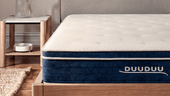
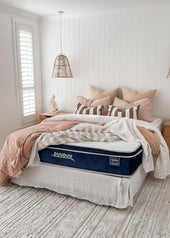
- A mattress topper adds a layer of cushioning, support, or cooling to your existing mattress without replacing it.
- Memory foam toppers excel at pressure relief, latex offers durability and bounce, and cooling toppers help with overheating.
- Toppers cannot fix significant sagging or a broken-down core, so do not use one to mask a worn-out mattress.
- If your mattress is over 7 to 10 years old or causing persistent pain, a full replacement is the better long-term solution.
- Match topper thickness to your need: 1 to 2 inches for subtle changes, 3 to 4 inches for major comfort overhauls.
Choosing the right sleep accessories can significantly impact your comfort and sleep quality.
Among these accessories, mattress toppers have gained popularity for their ability to enhance the feel and support of a mattress.
But do you really need a mattress topper, or is it merely a temporary fix for an underlying issue with your mattress?
Understanding Mattress Toppers
A mattress topper is an additional layer of padding placed on top of your existing mattress.
It can be made from various materials, including memory foam, latex, down, or synthetic fibers.
Toppers are designed to alter the feel of your mattress, adding extra softness, support, or cooling properties, depending on the material and construction.
Types of Mattress Toppers
-
Memory Foam Toppers: These are popular for their ability to contour to your body, providing personalized support and pressure relief. Memory foam toppers are ideal for those who need extra cushioning for joints and muscles.
-
Latex Toppers: Known for their durability and resilience, latex toppers offer a firmer feel and are naturally hypoallergenic and resistant to dust mites. They are suitable for sleepers who prefer a more supportive surface.
-
Feather and Down Toppers: These provide a luxurious, plush feel and are great for adding softness to a firm mattress. However, they may require regular fluffing to maintain their shape and support.
-
Synthetic Fiber Toppers: These are often made from polyester or other synthetic materials, offering a budget-friendly option with moderate softness and support. They are also hypoallergenic and easy to maintain.
-
Cooling Toppers: Designed with gel-infused memory foam or breathable materials, these toppers help regulate temperature, making them ideal for hot sleepers or those living in warmer climates like Perth, Western Australia.
Benefits of Mattress Toppers
1. Enhanced Comfort
A mattress topper can significantly enhance the comfort of your bed.
If your mattress is too firm or lacks sufficient cushioning, a soft topper can provide the plushness you need for a better night’s sleep.
Conversely, if your mattress is too soft, a firmer topper can add the necessary support.
2. Improved Support
For those experiencing back or joint pain, a supportive mattress topper can help alleviate discomfort by offering additional support where it’s needed most.
Memory foam and latex toppers, in particular, excel in providing targeted support and pressure relief.
3. Temperature Regulation
In Perth's warm climate, overheating during sleep can be a common issue.
Cooling mattress toppers, made from materials like gel-infused foam or breathable fibers, can help regulate your body temperature and keep you cool throughout the night.
4. Prolonged Mattress Life
A mattress topper can protect your mattress from wear and tear, spills, and stains, potentially extending its lifespan.
By acting as a barrier, it absorbs much of the stress and impact, keeping your mattress in better condition for longer.
5. Cost-Effective Solution
If your mattress is relatively new but doesn’t provide the comfort you need, a topper can be a cost-effective way to enhance its feel without the expense of buying a new mattress.
This is particularly beneficial if your mattress is still within its warranty period.
When a Mattress Topper Is Not Enough
While mattress toppers offer many benefits, they are not a one-size-fits-all solution.
In some cases, they may mask underlying problems with your mattress rather than resolving them. Here are scenarios where a topper might not be sufficient:
1. Significant Sagging or Indentations
If your mattress has significant sagging or deep indentations, a topper won’t be able to restore its original support.
Sagging is a sign that the mattress’s core structure has deteriorated, and a topper might only provide a temporary surface fix without addressing the foundational issues.
2. Lack of Support
If your mattress no longer provides the support you need, adding a topper may not solve the problem.
Over time, mattresses lose their ability to support your body properly, leading to discomfort and potential back pain. In such cases, replacing the mattress is a better long-term solution.
3. Age of the Mattress
Mattresses have a lifespan, typically between 7-10 years, depending on their quality and how well they have been maintained.
If your mattress is old and worn out, adding a topper is only a short-term fix. It’s essential to consider replacing the mattress to ensure you get the proper support and comfort.
4. Health Concerns
If you’re experiencing allergies or respiratory issues due to dust mites, mold, or other allergens in your mattress, a topper might not be enough to create a healthy sleep environment.
A new, hypoallergenic mattress might be a better choice to address these concerns.
Choosing the Best Mattress Topper for Your Needs
If you decide that a mattress topper is right for you, here are some factors to consider when choosing the best one for your needs:
1. Material
Select a material that matches your comfort preferences and sleep requirements. For example, memory foam is excellent for contouring and support, while down is ideal for adding softness.
If you’re prone to overheating, look for a topper with cooling properties.
2. Thickness
Toppers come in various thicknesses, typically ranging from 1 to 4 inches.
Thicker toppers offer more cushioning and can significantly alter the feel of your mattress, while thinner ones provide a more subtle change.
Consider how much adjustment you need when selecting the thickness.
3. Firmness
The firmness of the topper should complement the existing feel of your mattress. If your mattress is too soft, choose a firmer topper to add support.
Conversely, if your mattress is too firm, a softer topper can provide the desired plushness.
4. Size
Ensure the topper matches the size of your mattress.
Toppers are available in standard mattress sizes (Twin, Full, Queen, King), so choose one that fits your bed perfectly.
5. Price and Quality
Toppers vary widely in price, from budget-friendly options to high-end models.
While it’s essential to find a topper that fits your budget, investing in a high-quality topper can provide better comfort, durability, and long-term value.
6. Maintenance and Care
Consider the maintenance requirements of the topper.
Some materials, like memory foam, may require specific cleaning methods, while others, like down, may need regular fluffing.
Choose a topper that fits your lifestyle and maintenance preferences.
When to Replace Your Mattress
If you’ve considered a mattress topper but still find your sleep unsatisfactory, it might be time to replace your mattress.
Here are some signs that indicate it’s time for a new mattress:
- Persistent Discomfort: If you wake up with aches and pains despite using a topper, your mattress may no longer be providing the support you need.
- Visible Wear and Tear: Significant sagging, lumps, or indentations are clear indicators that your mattress is past its prime.
- Allergy Symptoms: If you experience increased allergies or respiratory issues, your mattress may be harboring dust mites, mold, or other allergens.
- Age: If your mattress is over 7-10 years old, it’s likely time to consider a replacement, especially if you notice a decline in comfort or support.
A mattress topper can be a valuable addition to your sleep setup, offering enhanced comfort, support, and temperature regulation.
It’s an excellent solution for fine-tuning the feel of your mattress and extending its lifespan.
However, it’s important to recognize when a topper is merely masking deeper issues that require a new mattress.
If your mattress is significantly sagging, lacks support, or is simply too old, investing in a new mattress is a more effective long-term solution.
In Perth, Western Australia, where climate and comfort play crucial roles in sleep quality, choosing the right mattress or topper is essential for maintaining a healthy, restful sleep environment.
Whether you opt for a mattress topper or decide to replace your mattress, prioritize your comfort and health.
By making informed decisions and selecting high-quality sleep products, you can ensure better sleep and improved well-being for years to come.
Frequently Asked Questions (FAQ)
Q: What is a mattress topper and how does it improve sleep?
A: A mattress topper is a layer of padding placed on top of a mattress to enhance comfort and support.
It can significantly improve your sleep experience by adding cushioning, pressure relief, and temperature regulation.
Mattress toppers are available in various materials such as foam, latex, and gel-infused foam, each offering unique benefits for different sleep preferences.
Q: How do I choose the right mattress topper for my queen bed?
A: To choose the right mattress topper for your queen bed, consider factors such as your preferred sleeping position, desired firmness, and any specific comfort needs.
At DuuDuu, we have a build in topper for our Quokka mattress range.
Q: Can a foam mattress topper help with back pain?
A: Yes, a foam mattress topper can help alleviate back pain by providing additional support and pressure relief.
Memory foam toppers, in particular, are known for their ability to contour to your body shape, helping to distribute weight evenly and reduce pressure points.
This can lead to better spinal alignment and less back pain during sleep.
However, if you have chronic back issues, it's best to consult with a healthcare professional for personalized recommendations.
Q: What's the difference between a mattress topper and a mattress protector?
A: While both products are placed on top of your mattress, they serve different purposes.
A mattress topper is primarily designed to enhance comfort and support, adding an extra layer of cushioning to your sleep surface.
On the other hand, a mattress protector is a thin, often waterproof cover that safeguards your mattress from spills, stains, dust mites, and allergens.
Many people use both a mattress topper for comfort and a mattress protector for hygiene and longevity.
At DuuDuu, we also offer waterproof mattress protectors for our customers who want to prolong the life span of their mattress
Q: How often should I replace my mattress topper?
A: The lifespan of a mattress topper depends on its quality, material, and usage.
On average, a good quality mattress topper can last between 3 to 5 years.
However, premium toppers made from high-density memory foam or latex may last longer.
Signs that it's time to replace your topper include visible sagging, loss of support, or decreased comfort.
Regularly rotating your topper and using a mattress protector can help extend its life.
Q: How can a luxury mattress topper enhance my sleep experience?
A: A luxury mattress topper can significantly elevate your sleep experience by adding an extra layer of premium comfort and support to your current mattress.
High-end toppers often feature advanced materials like gel-infused memory foam or natural latex, which offer superior pressure relief, temperature regulation, and durability.
These premium toppers can transform an ordinary mattress into a luxurious sleep surface, potentially improving sleep quality, reducing pain and discomfort, and extending the life of your existing mattress.
Can a topper completely change a mattress that's the wrong firmness?
Toppers shift firmness by 1 to 2 levels, which is meaningful but not transformative. A mattress that's a 9 (very firm) becomes a 7 to 8 with a thick topper. Don't expect a topper to turn a 9 into a 4.
What's the lifespan of a memory foam topper compared to a latex one?
Memory foam toppers last 3 to 5 years; latex toppers last 5 to 8. Both compress and degrade over time, with memory foam doing so faster. Latex justifies its higher price through longer life.
Are wool toppers better for hot sleepers than foam?
Wool naturally regulates temperature better than memory foam. It wicks moisture and stays cool in summer, warm in winter. Wool toppers work well for hot sleepers who want a topper without adding heat.
Can I stack two toppers for more cushioning?
Possible but not ideal. Two toppers can shift against each other and create instability. If you need more cushioning, buy a thicker single topper rather than stacking two thinner ones.
Do toppers void mattress warranties?
Generally no. Toppers sit on top without affecting the mattress structure. Warranties typically void only with stains, improper bases, or modifications to the mattress itself. Always check the warranty terms before buying though.
How thick should a topper be for back pain relief?
5 to 7 cm is typically the minimum for meaningful change. Thinner toppers don't significantly affect support; thicker toppers can throw off bed proportions. The right thickness depends on whether you need cushioning (thicker) or just adjustment (thinner).
Are organic latex toppers worth the extra cost?
If you have allergies, sensitivities, or environmental concerns, yes. Organic latex toppers have certifications like GOLS and tend to be slightly higher quality than non-certified blends. The premium is 30 to 50 percent.
What about heated toppers in winter?
Heated mattress pads work well in cold rooms. Pre-warm for 20 to 30 minutes before bed, then turn off. Don't sleep with continuous heat overnight. Combine with a regular topper for both warmth and comfort improvement.
Should I buy a topper before or after testing my mattress?
After. Sleep on the mattress as is for at least 30 nights before adding a topper. The mattress alone may be fine after break-in. Adding a topper too early can mask issues that you'd identify and address differently.
Can a topper help with edge support on my old mattress?
Toppers extend onto the edges, which can slightly improve perceived edge support. They don't fix structural edge collapse. For seniors or others needing strong edge support, mattress replacement is more reliable than relying on toppers.