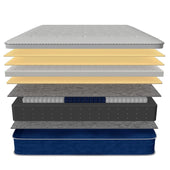
- Up to 90 percent of a mattress can be recycled into reusable steel, foam, fabric, and timber components.
- Soft Landing operates dedicated mattress recycling facilities across NSW, WA, VIC, and ACT.
- Local councils generally offer free hard waste pickups, though some send mattresses straight to landfill while others recycle them.
- Donation through neighbours, Salvation Army, Vinnies, or local shelters works only if the mattress is clean and undamaged.
- Avoid kerb dumping outside collection days, since it incurs fines and burdens local councils with cleanup costs.
Why Proper Mattress Disposal Matters
Mattresses take up a huge amount of space in landfill.
They don’t break down easily, can create air pockets that damage landfill structure, and they often leach harmful materials into the ground.
On top of that, a typical mattress can be recycled into up to 90% reusable material—including steel, foam, and fabric.
By choosing to recycle or responsibly dispose of your mattress, you're helping to:
a. Reduce environmental pollution
b. Conserve landfill space
c. Support Australia's circular economy
d. Avoid illegal dumping fines
The Environmental Impact of Mattresses in Landfill
Dumping mattresses has far-reaching consequences:
a. Springs and metal components take decades to decompose
b. Foam and fabrics often contain chemicals that contaminate soil and groundwater
c. Illegal dumping increases public clean-up costs and harms local communities
Most of these impacts are avoidable if mattresses are collected through the right companies that ultimately have resources to dispose of it carefully.
Recycling Mattresses in Australia: What Are Your Options?
There are several ways Australians can recycle mattresses instead of sending them to landfill:
1. Mattress Recycling Facilities
Specialist recycling services like Soft Landing operate in multiple states including NSW, WA, VIC, and ACT. They disassemble mattresses and recover:
a. Steel springs (recycled as scrap metal)
b. Foam (used for carpet underlay)
c. Timber (turned into mulch or biofuel)
d. Fabric (reused in insulation or industrial filters)
At DuuDuu, we work closely with Softlanding to ensure we reduce waste and instead recycle.

2. Council Bulk Waste Collections
Most local councils offer bulk verge collections or scheduled hard waste pickup services. Many councils in Australia now request that mattresses be separated or stacked neatly to be recycled.
Check your local council’s website for:
a. Scheduled pickup dates
b. Booking requirements
c. Whether they recycle collected mattresses or send them to landfill
3. Retailer Take-Back Programs
Some mattress retailers like DuuDuu, offer a take-back service when delivering a new mattress.
This function is available at check out, click "Yes" to trade in.
This is often the easiest option—especially if you’re upgrading to a new mattress.
4. Donate If Still Usable
If your mattress is in good condition (no stains, sagging, or tears), you can donate it to:
a. The easiest option would probably be to your neighbours or close family members
b. Charities like The Salvation Army or St Vincent de Paul
c. Local shelters
d. Facebook Marketplace / Gumtree (with a “free to collect” listing)
What Happens When You Recycle a Mattress?
Once a mattress is collected by a recycling facility:
a. Manual Sorting: The mattress is stripped of covers, foams, metal springs, and wood.
b. Component Separation: Each material is processed separately.
c. Material Repurposing:
Steel springs are melted down and reused.
Foam becomes carpet underlay or packaging material.
Timber is chipped for mulch or biofuel.
Textiles are shredded into industrial rags or insulation.
This entire process creates jobs and keeps useful materials in circulation.
Tips for Disposing of Mattresses Responsibly
a. Don’t leave mattresses on the kerb unless it's during council-approved hard waste collection.
b. Avoid landfill whenever possible—recycling is the better alternative.
c. Book in advance: Whether through the council or a private recycler, schedule a pick-up so the item doesn’t sit outside for weeks.
d. Prepare your mattress: Strip bedding, and if requested, wrap it in plastic for hygiene and ease of transport.
What About Other Bulk Items?
Mattresses are just one part of the bulk waste issue. Items like old bed frames, lounges, fridges, and electronics should also be recycled responsibly.
General tips:
a. Check if your council offers separate e-waste and metal collection
b. Use drop-off days hosted by local councils or transfer stations
c. Hire a licensed waste removal service if you're replacing multiple items
d. Don’t mix recyclable bulk items with general rubbish
Making a Cleaner Future One Mattress at a Time
Responsible mattress disposal is not just about convenience—it’s about sustainability.
With easy access to recycling programs and growing environmental awareness, there’s no excuse for mattresses ending up in landfill or dumped on the street.
Next time you replace a mattress, think beyond the bedroom.
Choose to recycle, reuse, or dispose of it properly.
A cleaner Australia starts with one responsible action at a time.
At DuuDuu we help you with this.
*Main Photo from Soft Landing Australia
Why is responsible mattress disposal more important now than 10 years ago?
Australian mattress sales have increased significantly with online direct-to-consumer brands, while landfill capacity has decreased. Each year, around 1.8 million mattresses need disposal. Without responsible recycling, this creates a major environmental problem.
What happens to mattresses in landfill specifically?
They take 80 to 100 years to decompose. During that time they release methane gas (a potent greenhouse gas), leach chemicals into surrounding soil and groundwater, and take up enormous space. Their springs can also damage landfill machinery and cause fires.
How can I encourage friends to recycle their mattresses too?
Share your experience and the specific recycler you used. Most people don't know the option exists or assume it's expensive. Mention that many councils offer free pickups and that charities will collect clean mattresses for free.
Are there any mattress brands that take back any old mattress regardless of where it was purchased?
DuuDuu and a few other Australian brands include trade-in for any old mattress when you buy a new one, regardless of original purchase. Check at checkout. This is one of the most convenient routes for consumers.
What's the most common reason mattresses end up in landfill rather than recycled?
Convenience and timing. People dispose of mattresses during stressful times (moving, divorce, death of a family member) when they don't have the energy or time to research recycling. Plan ahead before the disposal becomes urgent to choose the responsible option.
Can I get help disposing of a mattress if I'm elderly or have limited mobility?
Yes. Most council bulk waste collections include kerbside placement assistance. Many commercial services include in-home pickup. Charities often pickup directly. Discuss your needs when booking; services accommodate physical limitations.
How do I track whether my mattress was actually recycled?
Reputable recyclers like Soft Landing provide certificates or confirmation of recycling. If you want documentation, ask before booking. Most charity donations don't track outcomes specifically; the mattress goes to whoever takes it from the store.
Is there a difference in environmental impact between recycling and donating?
Donation is best for usable mattresses (extends life, no recycling needed). Recycling is better for unusable mattresses than landfill. Both are far better than landfill. The hierarchy goes: donate > recycle > landfill, with the option choice depending on mattress condition.
Can my whole bed (mattress, base, frame) be recycled together?
Different parts go to different streams. Wooden bed frames are often recycled separately as timber; metal bases through scrap metal recyclers. Some bulk waste services accept all, but materials are still separated at the facility level.
What's the most eco-friendly mattress to buy if disposal is on my mind?
Natural latex with cotton or wool covers is the most recyclable and biodegradable option. Hybrid mattresses with mostly natural materials are second best. Avoid mattresses with heavy synthetic blends or chemical treatments, which are harder to recycle.