- Joints need a neutral position during sleep to recover, and the right mattress is what keeps them there.
- A mattress that is too firm aggravates pressure points, while one that is too soft causes spinal misalignment and increased discomfort.
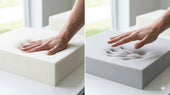
- Cushioning materials like memory foam or latex help relieve pressure on shoulders, hips, and knees overnight.
- Cooling fabric and breathable construction help reduce inflammation, which often makes joint pain feel worse in the morning.
- Pair the mattress with proper pillow placement to maintain a neutral spine and reduce strain on sensitive joints.
As we navigate the ups and downs of daily life, our joints bear the brunt of our activities, often resulting in discomfort and stiffness.
Whether due to age, injury, or chronic conditions like arthritis, managing joint pain is a priority for many.
While medications and therapies offer relief, an often-overlooked ally in the battle against joint pain lies right in our bedrooms: the mattress.
There is a symbiotic relationship between joint pain management and mattress selection that we may not be aware of.
From the knees and hips to the shoulders and spine, joints serve as the body's hinges, facilitating movement and bearing weight.
However, when inflammation, wear and tear, or injury occur, the result is often stiffness, swelling, and discomfort.
A mattress isn't just a surface for sleep—it's a crucial component in supporting the body's alignment and alleviating pressure on sensitive joints.
Proper support is paramount in ensuring that joints remain in a neutral position during rest, minimizing strain and promoting healing.
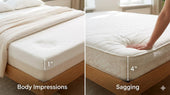
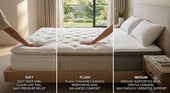
While a mattress that's too firm may exacerbate pressure points, one that's too soft can cause improper spinal alignment and increased discomfort.
Find out how mattress firmness levels and cushioning materials interact to create an ideal sleep surface that cradles joints without compromising support.
Heat and Pain Relief Heat therapy is a well-known method for alleviating joint pain, as it helps increase blood flow and relax tense muscles.
DuuDuu mattresses are designed with advanced cooling technologies that dissipate heat and regulate body temperature, providing a soothing environment for achy joints.
Testimonials are proof of a mattress's efficacy in relieving joint pain lies in the experiences of those who have found relief through better sleep.
From individuals struggling with arthritis to athletes recovering from injuries, their testimonials offer insight into the transformative power of a supportive mattress.
Another tip to add to this is proper pillow placement to maintaining a neutral sleep posture. Incorporating theses ergonomic principles into your sleep routine minimizes strain on joints and maximizes the benefits of your mattress.
Investing in comfort and well-being In a world where joint pain can disrupt daily activities and diminish quality of life, investing in a supportive mattress is an investment in comfort and well-being.
By prioritizing proper support, cushioning, and temperature regulation, you empower yourself to take control of your joint health and enjoy restful, rejuvenating sleep.
Joint pain doesn't have to dictate your daily experience.
By recognizing the integral role of your mattress in managing discomfort and promoting healing, you unlock the potential for restful nights and pain-free days.
With the insights shared in this article, you're equipped to make informed decisions that prioritize joint health and enhance overall well-being.
Embrace the transformative power of a supportive mattress and embark on a journey towards greater comfort, mobility, and vitality.
Can a heated mattress pad help with arthritis joint pain at night?
Mild heat in the evening can ease morning stiffness for some arthritis sufferers. Use a heated pad for 20 to 30 minutes before sleep, then turn off so your body cools naturally for deep sleep. Don't sleep with continuous heat overnight.
Does my mattress matter more than my pillow for joint pain?
Both matter, but for different joints. The mattress is more important for hips, knees, and lower back; the pillow is critical for neck and shoulder joints. Get both right rather than focusing on just one. They work as a system.
Will joint pain symptoms come back if I switch back to my old mattress while travelling?
Often yes within 2 to 3 nights. Bodies adapt to good support quickly and feel poor support immediately. For trips longer than a week, consider a portable mattress topper or look for hotels with mattress quality reviews.
Are there specific exercises that help mattress pressure relief work better?
Hip flexor stretches, hamstring stretches, and gentle spinal twists before bed help muscles relax. Combined with proper mattress support, this gives the best joint recovery. Avoid intense exercise 2 hours before bed since it can stimulate nervous system activity.
How long after starting on a supportive mattress should I see joint improvement?
Most people notice less morning stiffness within 2 weeks. Pain levels generally improve over 4 to 6 weeks. Chronic conditions take longer (8 to 12 weeks) to show full benefit. Keep a sleep journal to track changes you might otherwise miss.
Can my dog or cat affect my joint pain by sharing the bed?
Pets can disturb sleep through movement and warmth, both of which can worsen joint pain. They also accelerate mattress wear. If joint pain is significant, consider a pet bed near (not on) your bed. Most pets adapt to this within a week or two.
Does losing weight help joint pain more than getting a better mattress?
Significant weight loss (over 10 percent body weight) often dramatically reduces joint pain, more than any mattress change can. The two work together: a good mattress supports overnight recovery while weight management addresses the root cause.
Are turmeric or other supplements useful alongside good sleep for joint pain?
Turmeric (with curcumin extract) has modest anti-inflammatory effects for some people. Combined with good sleep on a supportive mattress, the cumulative effect can be meaningful. Talk to your doctor before adding supplements, especially if you take blood thinners.
What's the best mattress firmness for arthritis specifically?
Medium-firm (6 to 7 out of 10) works for most arthritis sufferers. Too soft causes the joints to twist as you sink unevenly; too firm creates pressure points. The exception is severe rheumatoid flares, when a softer surface temporarily helps.
Should I avoid certain sleeping positions if I have hip pain?
Side sleeping with the painful hip up (lying on the unaffected side) usually helps. Add a pillow between the knees to keep hips aligned. Avoid sleeping on the painful hip directly. Back sleeping with a pillow under the knees is a good alternative.